Microdosing cannabis for women’s health

Dec 25, 2025The nama Team

Hormonal shifts, menstrual cycles, pregnancy, perimenopause, and menopause are some of the unique health issues that disrupt women’s daily lives. The common list of solutions is often just as long and unique, and oftentimes, the solutions don’t work. But emerging research suggests there’s a better women’s health choice.

Women turn to cannabis for menopause relief, stress management, better sleep, and pain management. Microdosed weed offers benefits without impairment.

Cannabis microdosing offers women a gentle approach to symptom management. Microdosing means taking small, controlled amounts of THC and CBD, typically 2.5–10 mg of THC per dose. This approach gives you the therapeutic benefits of THC, but keeps you clear-headed and functional.

Get your daily cannabis microdose with nama's vegan THC products and cannabis drinks.

Buzz Drops™ [THC Drink Drops]
On Sale from $27.95
Buzz Drops™ [THC Drink Drops]

THC: 2.5 mg | CBD: 2.5 mg (per serving)

Save up to $41.05 THC
Buzz Packs™ [THC and CBD Powder Drink Mix]
On Sale from $29.95
Buzz Packs™ [THC and CBD Powder Drink Mix]

THC: 5 mg | CBD: 5 mg (per serving)

Save up to $50.00 THC

What are the effects of cannabis on women?

Over a third of US women use cannabis, and the usage is increasing most among women aged 26 and older. This increase reflects a change in how women approach wellness. Instead of relying on pharmaceuticals (with side effects that can be worse than the symptoms they treat), many women are looking for organic alternatives.

The endocannabinoid system (ECS) regulates mood, pain perception, appetite, sleep, and reproductive health. This system interacts directly with sex hormones, which explains why cannabis can have such profound effects on women's health issues tied to hormonal fluctuations.

Women and men metabolize cannabis differently. Estrogen affects how the body processes cannabinoids, which means the same dose can produce different effects depending on where someone is in their menstrual cycle. During ovulation, when estrogen peaks, a person might feel stronger effects from cannabis. This natural variation is why microdosing is the preferred consumption method for treatment.

Microdosing cannabis for menopause relief

Menopause often means hot flashes, night sweats, sleep disturbances, mood swings, vaginal dryness, and weight gain that can last for years. While hormone replacement therapy works for some women, others can't or won't take it because of increased risks for certain cancers and cardiovascular issues.

A Harvard Medical School survey found that women increasingly turn to cannabis for menopause symptom relief. A survey of 258 perimenopausal and postmenopausal women revealed that 86% used cannabis products, with the majority reporting improvements in sleep disturbances and mood changes.

Research shows that the endocannabinoid system interacts with sex hormones. When estrogen and progesterone levels decline during menopause, ECS activity changes significantly. This disruption contributes to many symptoms women experience, including depression, anxiety, mood swings, decreased libido, and sleep difficulties.

Cannabis compounds work with your existing ECS receptors to restore balance. THC and CBD don't replace hormones, but they support the systems that regulate mood, comfort, temperature, and sleep quality.

Learn more about the benefits of microdosing cannabis for menopause.

Microdosing cannabis for period pain and PMS

Menstrual cramps affect up to 90% of women during their reproductive years. The pain ranges from mild discomfort to debilitating cramps that interfere with daily life. Treatments include NSAIDs like ibuprofen, which can cause stomach problems with long-term use, or hormonal birth control, which comes with its own set of side effects.

Cannabis can relieve period pain and other symptoms of PMS without harsh side effects. Your uterus contains cannabinoid receptors that respond to THC and CBD. When these receptors activate, they reduce the production of prostaglandins, the compounds that cause uterine contractions and cramping pain.

A survey published in the Journal of Women's Health found that women who used cannabis for menstrual pain reported significant relief from cramps and back pain. The survey noted that cannabis provided similar or better pain relief than over-the-counter medications, with fewer side effects.

Microdosing cannabis for stress relief

Women report higher rates of anxiety and depression than men, with prevalence rates nearly double for most mental health conditions. The reasons are complex and include a mix of hormonal fluctuations, higher exposure to trauma, workplace discrimination, and the mental load of managing households and careers.

Chronic stress disrupts sleep, weakens immunity, causes digestive problems, and accelerates aging. High cortisol levels from prolonged stress can lead to weight gain, especially around the abdomen, and increase your risk for heart disease and diabetes.

According to research, cannabis modulates the stress response through its effects on the hypothalamic-pituitary-adrenal (HPA) axis, your body's primary stress response system. Low doses of THC can lower cortisol levels and activate the parasympathetic nervous system, which shifts your body from fight-or-flight mode into rest-and-digest.

Low doses tend to reduce anxiety, while high doses can increase it. This makes microdosing particularly well-suited for anxiety management. You get the anxiolytic benefits without the paranoia that sometimes accompanies heavy cannabis use.

A 2018 study found that women experienced greater reductions in anxiety from cannabis use than men. Researchers suggested that estrogen might enhance the anxiolytic effects of THC through increased cannabinoid receptor density in brain regions involved in emotional processing.

Many women describe using cannabis to decompress after stressful days. Instead of reaching for a glass of wine, which disrupts sleep quality and adds empty calories, microdosed THC drinks provide relaxation without the hangover. Our Buzz Drops contain 2.5 mg of THC and 2.5 mg of CBD per dropper, enough to take the edge off without impairing your ability to function.

Microdosing cannabis for inflammation

Approximately 80% of people with autoimmune conditions are women. Conditions like rheumatoid arthritis, lupus, multiple sclerosis, and inflammatory bowel disease cause chronic inflammation and pain that can be difficult to manage with pharmaceuticals alone.

CBD has powerful anti-inflammatory properties. It activates peroxisome proliferator-activated receptors (PPARs), which regulate genes involved in inflammation. This might make CBD useful for conditions driven by systemic inflammation.

A comprehensive review examined CBD's effects on inflammatory conditions. The researchers found that CBD reduced inflammatory markers across multiple studies and showed promise for treating chronic inflammatory diseases.

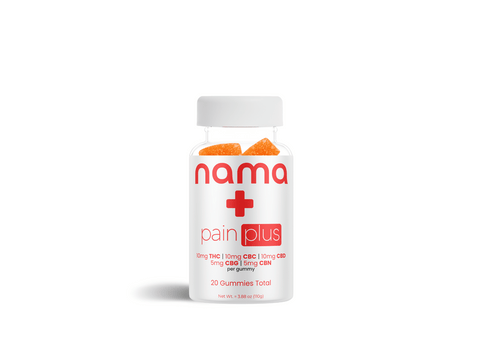
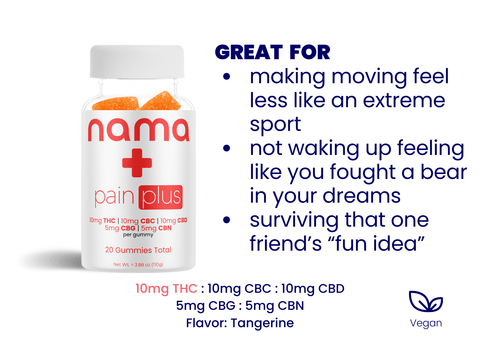
Our Pain Plus gummies contain five different cannabinoids: 10 mg of THC, 10 mg of CBD, 10 mg of CBC, 5 mg of CBG, and 5 mg of CBN. Each cannabinoid targets different aspects of pain and inflammation for an entourage effect that provides comprehensive relief. 

Microdosing cannabis for chronic pain management 

Chronic pain affects women more than men, with higher rates of fibromyalgia, migraines, and neuropathic pain. The opioid epidemic highlighted the dangers of managing chronic pain with narcotic medications, and many women now seek alternatives that won't lead to dependence or debilitating side effects.

Cannabis offers multimodal pain relief. THC binds to cannabinoid receptors in the central nervous system to block pain signals before they reach conscious awareness. CBD reduces inflammation and enhances your body's own endocannabinoid production.

A 2020 study found that cannabis users were able to reduce or eliminate their opioid use while maintaining similar or better pain control. The research showed that cannabis could serve as an opioid-sparing agent and allow patients to use lower doses of narcotics or stop them entirely.

Migraine pain deserves special mention because women experience migraines at three times the rate of men. Hormonal fluctuations trigger many migraines, with attacks often occurring just before menstruation when estrogen levels drop sharply.

Some women report that regular cannabis microdosing helps prevent migraines entirely. The endocannabinoid system helps maintain homeostasis, and bolstering it with plant cannabinoids may reduce the frequency and severity of migraine attacks. 

Product QUIZ

Need help deciding what product is best for you? Take our quiz, just three questions until your perfect match!

Microdosing cannabis for alcohol-free social connection

Women's drinking patterns have shifted dramatically in recent decades. What once was a gender gap in alcohol consumption has nearly disappeared, with women drinking more heavily and more frequently than previous generations.

Alcohol disrupts sleep, accelerates aging, increases breast cancer risk, and adds empty calories that contribute to weight gain. Yet many women feel they need alcohol to relax socially or cope with stress.

Cannabis offers an alternative. Our Buzz Packs contain 5 mg of THC and 5 mg of CBD in a flavorless powder that dissolves in any beverage. You get a light, pleasant buzz without the next-day hangover or regret. The calorie-free formula won't derail your health goals, and you wake up feeling refreshed rather than cloudy and nauseous. 

Learn more about the benefits of going soberish.

The cannabis and parenting conversation

"Cannamoms" describes mothers who use cannabis to manage parenting stress. The BBC reported on this controversial trend, interviewing women who microdose cannabis to stay patient, present, and engaged with their children.

The stigma around cannabis-using mothers runs deep. Society accepts wine mom culture without question, but cannabis use by mothers triggers moral panic and accusations of neglect.

Yet the women who microdose cannabis tell a different story. They describe being more patient with their children, more playful, and more present. Small amounts of cannabis help them regulate their stress response without the impairment that comes with heavy use.

Microdosing appeals to mothers because it provides stress relief without significant impairment. A 2.5–5 mg dose of THC can take the edge off without causing impairment. A few glasses of wine, on the other hand, might knock you out.

How to start microdosing for health

You’ll set yourself up for the best health benefits if you microdose methodically and use lab-tested products.

  • Start with a low dose: We recommend 2.5 mg of THC. Microdose in the evening when you have no obligations and can observe the effects. Wait at least two hours before taking another dose because edibles take 45–90 minutes to peak.
  • Keep a journal of your experiences: Note the dose, time of consumption, effects, and duration to figure out what works for you. Some women find that 2.5 mg is enough for stress relief, while others need 5–7.5 mg to feel the effects.
  • Determine your goals: Do you want help sleeping? Take your dose 60–90 minutes before bedtime. Need stress relief after work? Dose in the early evening. Want to enhance creativity or focus? Experiment with very small daytime doses of 2.5 mg combined with CBD.
  • Choose the right THC:CBD ratio: Higher ratios (1:2 or 1:4 THC:CBD) provide more calming effects with less psychoactivity. Balanced ratios (1:1) offer therapeutic benefits and a mild buzz. THC-dominant products create more pronounced euphoria and relaxation.

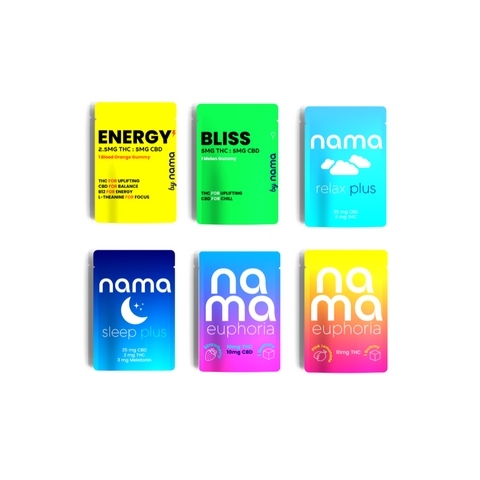
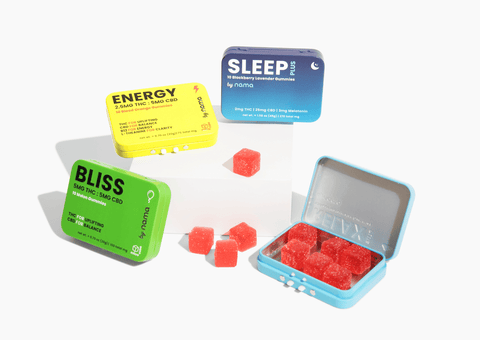
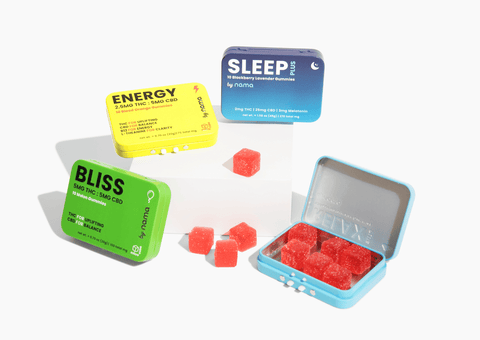
nama's product line lets you choose ratios that match your needs. Our Bliss gummies contain 5 mg of THC and 5 mg of CBD for balanced effects. Euphoria gummies contain 10 mg of THC and 10 mg of CBD for women who want stronger effects.

Try namaCBD microdosed cannabis products

All nama products are vegan and made from organic, American-grown hemp. We third-party test every batch for potency and purity so you know exactly what you're getting. Free shipping on all orders. Try our THC Sampler to explore different cannabinoid ratios, or check out our Ultimate Sampler to try multiple product types and find what works best for your body.

Microdosing cannabis for women FAQ

THC will show up on drug tests even at microdoses. Standard drug tests detect THC metabolites that remain in your system for days or weeks after use, depending on frequency of use and metabolism. 

If you face drug testing for work, sports, or legal reasons, you should avoid THC. CBD-only products that contain no THC won't cause you to fail a drug test, though you should verify the product contains 0% THC rather than the legal limit of 0.3%.

Cannabis and hormone replacement therapy can be used together, but you should tell your doctor about all substances you use. Estrogen affects how your body metabolizes cannabinoids, so HRT might change how strongly you feel cannabis effects. You might need to adjust your dose up or down when starting or stopping HRT. The combination appears safe for most women, but individual responses vary.

Be direct and honest. Say "I use cannabis to manage [specific symptoms]" and explain what you take, how much, and how it affects you. While some doctors are uncomfortable with cannabis, attitudes are shifting as research expands. Your doctor needs accurate information about all substances you use to provide proper care and avoid drug interactions. If your doctor responds judgmentally, consider choosing a more open-minded provider. You have the right to make informed choices about your health.

Declining estrogen during menopause affects sexual function by reducing vaginal lubrication and decreasing libido. Cannabis, particularly THC, can enhance sexual pleasure by increasing blood flow to genital tissues, heightening sensation, and reducing anxiety about performance or body image. Some women report that small amounts of cannabis help them relax and be present during intimacy. 

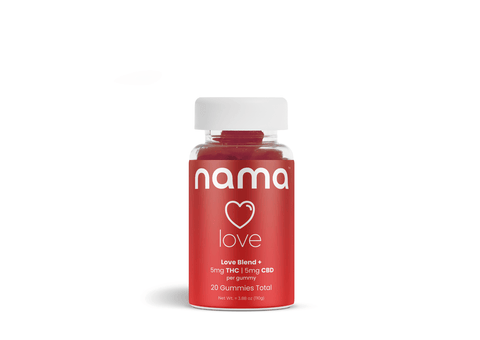
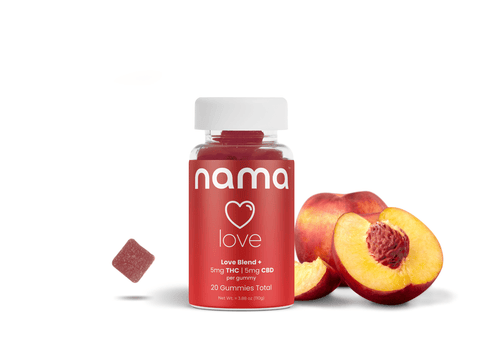
Our Love gummies combine THC and CBD for balanced effects that may enhance sexual experiences.

Never stop taking prescribed medications without consulting your doctor. Cannabis can complement mental health treatment but shouldn't replace it unless your healthcare provider supervises the transition. Some people successfully taper off antidepressants with their doctor's guidance while using cannabis, but this requires careful monitoring. Cannabis and certain medications can interact, particularly SSRIs and other antidepressants, so your doctor needs to know about all substances you use.

Edibles like gummies take 45–90 minutes to reach peak effects, so take your dose 60–90 minutes before you want to fall asleep. This timing allows the cannabinoids to reach their full effect right when you're ready for bed. 

If you take your dose too early, you might feel sleepy before you're ready. If you take it too late, you might lie awake waiting for it to work. Experiment with timing to find what works best for your body. Our Sleep gummies combine THC with CBD and melatonin for comprehensive sleep support that works with your natural circadian rhythms.

Top Sellers

New? Start with our Ultimate Sampler!
Buzz Packs™ [THC and CBD Powder Drink Mix]
On Sale from $29.95
Buzz Packs™ [THC and CBD Powder Drink Mix]

THC: 5 mg | CBD: 5 mg (per serving)

Save up to $50.00 THC
Buzz Drops™ [THC Drink Drops]
On Sale from $27.95
Buzz Drops™ [THC Drink Drops]

THC: 2.5 mg | CBD: 2.5 mg (per serving)

Save up to $41.05 THC
Pain Plus Gummies | THC, CBD, CBG, CBC, and CBN
From $49.00
Pain Plus Gummies | THC, CBD, CBG, CBC, and CBN

THC: 10 mg | CBC: 10 mg | CBD: 10 mg | CBG: 5 mg | CBN 5mg

THC
Love | Libido Boosting Gummies With CBD and THC
THC
The Ultimate nama Gummy Sampler
Save $4.05 THC

Resources

Hasse, J. (2023, March 9). 37% of American women consume cannabis, but most keep it a secret from parents, children and coworkers, study says. Forbes. https://www.forbes.com/sites/javierhasse/2023/03/08/37-of-american-women-consume-cannabis-but-most-keep-it-a-secret-from-parents-children-and-coworkers-study-says/

Fattore, L., & Fratta, W. (2010). How important are sex differences in cannabinoid action?. British journal of pharmacology, 160(3), 544–548. https://doi.org/10.1111/j.1476-5381.2010.00776.x

Salamon, M. (2022, October 27). Are women turning to cannabis for menopause symptom relief? Harvard Health. https://www.health.harvard.edu/blog/are-women-turning-to-cannabis-for-menopause-symptom-relief-202210242837

Santoro, A., Mele, E., Marino, M., Viggiano, A., Nori, S. L., & Meccariello, R. (2021). The Complex Interplay between Endocannabinoid System and the Estrogen System in Central Nervous System and Periphery. International journal of molecular sciences, 22(2), 972. https://doi.org/10.3390/ijms22020972

Han, L., Alton, K., Colwill, A. C., Jensen, J. T., McCrimmon, S., & Darney, B. G. (2021). Willingness to Use Cannabis for Gynecological Conditions: A National Survey. Journal of women's health (2002), 30(3), 438–444. https://doi.org/10.1089/jwh.2020.8491

Albert P. R. (2015). Why is depression more prevalent in women?. Journal of psychiatry & neuroscience : JPN, 40(4), 219–221. https://doi.org/10.1503/jpn.150205

Micale, V., & Drago, F. (2018). Endocannabinoid system, stress and HPA axis. European Journal of Pharmacology, 834, 230–239. https://doi.org/10.1016/j.ejphar.2018.07.039

Cuttler, C., Spradlin, A., & McLaughlin, R. J. (2018). A naturalistic examination of the perceived effects of cannabis on negative affect. Journal of Affective Disorders, 235, 198–205. https://doi.org/10.1016/j.jad.2018.04.054

Moyer, M. W. (2024, November 7). Why nearly 80 percent of autoimmune sufferers are female. Scientific American. https://www.scientificamerican.com/article/why-nearly-80-percent-of-autoimmune-sufferers-are-female/

Barakat, M., Thiab, S., Alzaghari, L. F., Abdulrazzaq, S. B., Hasen, E., Abuarab, S. F., Nasereddin, L., Omar, A., Barakat, Y., Chellappan, D. K., & Al-Najjar, M. A. (2025b). Cannabis and the immune response: A comprehensive review of therapeutic potential and concerns. Phytomedicine Plus, 5(4), 100876. https://doi.org/10.1016/j.phyplu.2025.100876

Osborne, N. R., & Davis, K. D. (2022). Sex and gender differences in pain. International review of neurobiology, 164, 277–307. https://doi.org/10.1016/bs.irn.2022.06.013

Lucas, P., Boyd, S., Milloy, M. J., & Walsh, Z. (2021). Cannabis Significantly Reduces the Use of Prescription Opioids and Improves Quality of Life in Authorized Patients: Results of a Large Prospective Study. Pain medicine (Malden, Mass.), 22(3), 727–739. https://doi.org/10.1093/pm/pnaa396

Staniforth, J. (2022, February 25). The “cannamoms” parenting with cannabis. https://www.bbc.com/worklife/article/20211116-the-cannamoms-parenting-with-cannabis 

Further reading

Is it safe to drive while microdosing THC?

Microdosing THC for sleep

What are the best CBD gummies for menopause?

CBN for pain relief

What are the best sleep gummies for adults?

nama CBD FDA & legal disclaimer

Our cannabis products are not intended to diagnose, treat, cure, or prevent any disease. They are not a replacement for prescription medications and have not been evaluated by the Food and Drug Administration (FDA).

The information provided on this website does not and is not intended to constitute legal advice or any statements of the status of any laws. Any information, content, and materials available on this site are for general informational purposes only and are not intended to be relied upon for any purpose.

Readers of this website should contact their attorney to obtain advice concerning any particular legal matter, including decisions on what products are, or are not, legal to sell, possess, or consume. No reader, user, or browser of this site should act or refrain from acting based on information on this site without first seeking legal advice from their counsel in the relevant jurisdiction.

Only your attorney can provide assurances that the information contained herein—and your interpretation of it—is applicable or accurate for your particular situation. Use of, and access to, this website or any of the links or resources contained within the site do not create an attorney-client relationship between the reader, user, or browser, and website authors, contributors, contributing law firms, or committee members and their respective employers.

More articles

Comments (0)

There are no comments for this article. Be the first one to leave a message!

Leave a comment

Please note: comments must be approved before they are published