Epilepsy affects roughly 50 million people worldwide, and about one-third of patients don't respond to standard medications.
Cannabis is a potential treatment option for drug-resistant epilepsy, with CBD showing the most promise in clinical studies. Research on THC for epilepsy is more limited, but early evidence suggests that microdosing THC and CBD might enhance seizure control.
Cannabis and epilepsy
Cannabis contains over 100 cannabinoids, but CBD and THC are the most studied for epilepsy treatment. Both compounds interact with your endocannabinoid system, which helps regulate brain activity and neurotransmitter release.
Your brain naturally produces endocannabinoids that bind to CB1 and CB2 receptors throughout your nervous system. Plant-based cannabinoids mimic this natural process, which explains their potential to reduce seizure frequency and severity.
Multiple studies show that cannabis can reduce seizures in patients with treatment-resistant epilepsy. The evidence is strongest for CBD, which the FDA has approved for specific epilepsy types. THC research is less extensive but shows potential when combined with CBD.
CBD for epilepsy treatment
CBD has the strongest scientific backing for epilepsy treatment. According to a 2017 scientific article, CBD shows clear anti-seizure effects in animal models and human trials.
The article notes that CBD modulates neurotransmitter release, reduces neuronal excitability, and has anti-inflammatory properties. These effects combine to help prevent the abnormal electrical activity that triggers seizures.
A 2025 study found that CBD produces anti-seizure effects through several pathways. The compound affects voltage-gated sodium channels, adenosine signaling, and GABA neurotransmission. CBD also activates TRPV1 channels and modulates calcium signaling in neurons.
These multiple mechanisms explain why CBD can work for patients who don't respond to conventional medications. Standard anti-epileptic drugs usually target just one pathway, while CBD affects several at once.
A recent case study showed remarkable results. It followed 19 patients with severe, drug-resistant epilepsy who achieved complete seizure freedom after starting CBD-rich cannabis oil. Patients had tried an average of 8.4 medications before finding success with cannabis.
The seizure-free period lasted from 4 to 125 months, with most patients experiencing seizure relief for over two years. This study demonstrates CBD's potential for long-term seizure control in patients who haven't responded to other treatments.
How CBD stops seizures
Research published in 2023 has uncovered how CBD prevents seizures at the cellular level. It shows that CBD rebalances excitatory and inhibitory neurons in the brain.
The hippocampus is the brain region involved in epilepsy. In epileptic brains, excitatory neurons fire too much while inhibitory neurons don't fire enough. This imbalance creates seizure conditions.
CBD reduces excitatory neuron activity and boosts inhibitory neuron activity. The result is a more balanced brain state that's less prone to seizures. The study found that CBD targets the neurons most involved in seizure generation.
Microdosing THC for epilepsy
THC research for epilepsy is less developed than CBD research, but early clinical evidence demonstrates anticonvulsant properties. A 2004 report reviewed eight children and adolescents who were treated with delta-9-THC (dronabinol, marketed as Marinol) for epilepsy and neurodegenerative diseases. The medication was given as an oily solution, taken orally in seven patients and via a feeding tube in one patient.
THC produced several therapeutic effects:
- Reduced spasticity
- Improved dystonia
- Increased initiative at low doses
- Greater interest in surroundings
- Anticonvulsant action
The doses ranged from 0.04–0.12 mg per kilogram of body weight per day.
For a 30-kilogram child, this translates to 1.2–3.6 mg of THC per day. For a 70-kilogram adult, the equivalent range would be 2.8–8.4 mg per day. These microdoses confer therapeutic benefits without strong psychoactive effects. The study noted that higher doses produced disinhibition and increased restlessness.
Treatment was discontinued in several cases, and stopping THC caused no withdrawal problems. This suggests THC at low doses doesn't create physical dependence, an important consideration for long-term epilepsy treatment.
The study proposes that THC's anticonvulsant effects might work through its impact on ion channels and neurotransmitters. THC binds to CB1 receptors throughout the brain, which modulate neuronal excitability and neurotransmitter release—important factors in seizure generation and control.
The Australian Epilepsy Foundation notes that full-spectrum cannabis products with multiple cannabinoids may be more effective than CBD isolate for some patients. The combination of cannabinoids appears to produce synergistic effects that improve seizure control.
The entourage effect explains why combining cannabinoids is more effective than CBD alone. THC, CBD, and other cannabinoids work together, via the entourage effect, to produce stronger anti-seizure effects than any single compound.
Too much THC can also trigger seizures in sensitive individuals, so consult with your doctor and start with small doses before incorporating it into epilepsy management. For epilepsy, this typically means 2.5–5 mg of microdosed THC combined with higher amounts of CBD.
Cannabis for pediatric epilepsy
Children with epilepsy often face the most severe, treatment-resistant forms of the condition. Cannabis, particularly CBD-rich products, has shown promise for pediatric patients who don't respond to conventional medications.
A 2021 case study examined 10 children with severe epilepsy who tried cannabis treatment. All children had failed multiple medications before starting cannabis therapy.
The results showed significant improvements. Seven children experienced a 50% or greater reduction in seizure frequency. Three children achieved complete freedom from seizures. The study notes that cannabis was generally well-tolerated, with most side effects being mild and manageable.
FDA-approved CBD medications
The FDA has approved Epidiolex, a drug that treats Lennox-Gastaut syndrome, Dravet syndrome, and tuberous sclerosis complex. These are rare, severe forms of epilepsy that often start in childhood.
Epidiolex contains purified CBD derived from cannabis plants. Clinical trials showed that it reduced seizure frequency compared to a placebo. The medication proved effective for patients who had tried multiple other treatments without success.
The FDA approval of Epidiolex marked a turning point for cannabis research. It provided the first hard evidence that cannabinoids could treat epilepsy, which opened doors for more research and medical acceptance.
Cannabis dosage recommendations for epilepsy
Cannabis dosing for epilepsy follows different protocols for children and adults, with specific titration schedules based on body weight and response. All dosing should happen under medical supervision with regular monitoring.
Dosing for children and young adults
“Guidance for the use of medicinal cannabis in the treatment of epilepsy in paediatric and young adult patients” provides detailed recommendations for pediatric patients. It suggests CBD should be started at low doses and increased gradually based on seizure response and tolerance.
- Starting dose: 2.5 mg per kilogram twice daily (total 5 mg per kilogram per day).
- After one week, increase to maintenance dose: 5 mg per kilogram twice daily, for a total of 10 mg per kilogram per day. If seizures persist, increase the dosage weekly by 2.5 mg per kilogram twice daily (5 mg per kilogram per day increments).
- Maximum dose: 10 mg per kilogram twice daily (total 20 mg per kilogram per day)
For a 30-kilogram child, this means starting with 75 mg per day (37.5 mg twice daily), increasing to 150 mg per day after one week, and potentially reaching 300 mg per day if needed.
Dosing for adults
A research review published in 2021 outlines dosing protocols for adult patients. Adults follow similar weight-based dosing but can often tolerate faster titration.
- Starting dose: 2.5 mg per kilogram twice daily (total 5 mg per kilogram per day)
- After one week, increase to: 5 mg per kilogram twice daily (total 10 mg per kilogram per day). Continue increasing weekly by 2.5 mg per kilogram, twice daily increments (5 mg per kilogram per day).
- Maximum recommended dose: 10 mg per kilogram twice daily (total 20 mg per kilogram per day)
For a 70-kilogram adult, this translates to starting with 350 mg per day, increasing to 700 mg per day after one week, and potentially reaching 1,400 mg per day maximum.
The study notes that CBD should be taken with food to maximize absorption. High-fat meals increase CBD blood levels up to 14 times when taken with high-fat food compared to fasting.
Monitoring requirements
Both the guidance for children and adult dosing studies emphasize regular monitoring. Patients need:
- Baseline blood tests: liver function tests (AST, ALT, total bilirubin), complete blood count, kidney function
- After starting CBD: repeat liver tests after one month, three months, and six months
- Any dose changes: check liver function one month after adjustment
- Monthly monitoring: required for patients on valproate or those with baseline elevated liver enzymes
The studies note that CBD has a half-life of 18–32 hours, which supports twice-daily dosing. Patients typically take one dose in the morning and one in the evening, both with food.
Cannabis side effects and drug interactions for epilepsy
Cannabis for epilepsy is generally well tolerated, but side effects can happen. The most common side effects include sleepiness, reduced appetite, diarrhea, and elevated liver enzymes.
A recent study notes that side effects are usually dose-dependent. Higher doses produce more side effects, which is why doctors start with low doses and increase gradually.
CBD can interact with other medications, particularly anti-epileptic drugs. CBD affects how your liver processes other medications, which can increase or decrease their levels in your blood. Patients taking valproate alongside CBD need careful monitoring because the combination can raise liver enzyme levels.
The Australian Epilepsy Foundation recommends regular blood tests to monitor liver function and medication levels. Your doctor should adjust doses of other medications if needed.
THC side effects include drowsiness, dizziness, and cognitive effects at higher doses. Microdosing helps minimize these effects while maintaining therapeutic benefits.
Product QUIZ
Need help deciding what product is best for you? Take our quiz, just three questions until your perfect match!
Microdosing cannabis with nama™ products
Cannabis edibles offer precise, consistent dosing for epilepsy management. Each gummy contains the same amount of cannabinoids, unlike smoking or vaping.
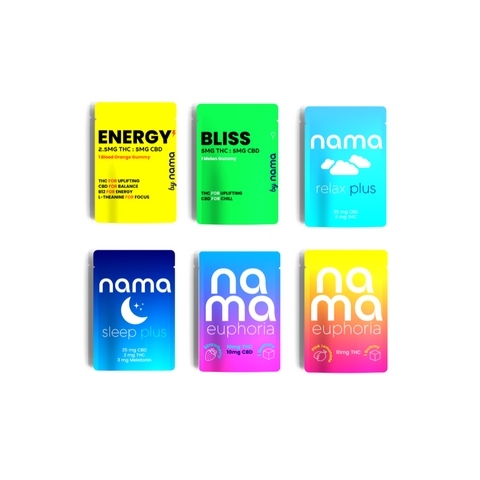
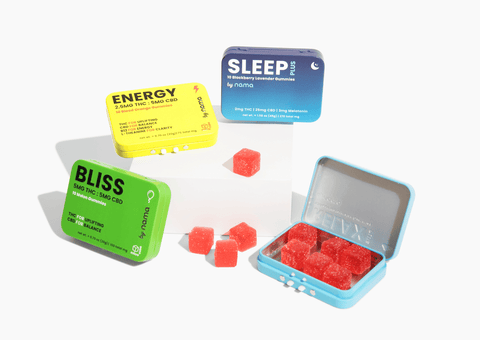
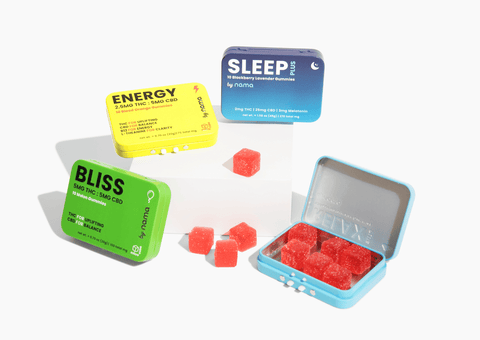
nama's Bliss gummies contain 5 mg of THC and 5 mg of CBD per gummy, for a balanced microdosing ratio. The low THC content delivers potential entourage effect benefits without strong psychoactive effects, while the CBD provides anti-seizure properties.
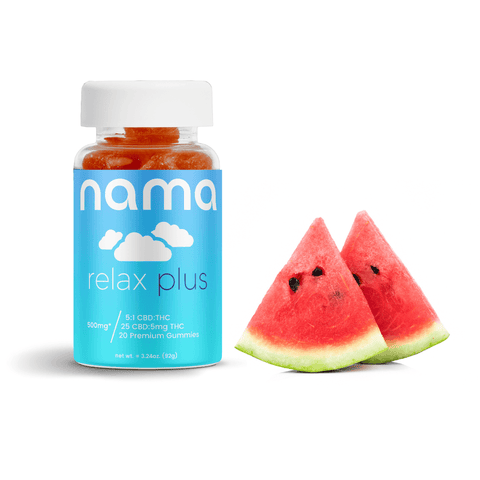
For those who want higher CBD doses, nama's Relax Plus gummies contain 5 mg of THC and 25 mg of CBD per gummy. This higher CBD-to-THC ratio (5:1) aligns with research showing that CBD-dominant products work best for seizure control.
And if you’d prefer to get the benefits of CBD without any THC, try one of our THC-free edibles with CBD. Our Relax gummies combine CBD with ashwagandha, with 25 mg of CBD in each gummy.
All nama products are third-party tested for purity and potency, they contain no artificial colors or flavors, and are made from premium American hemp.
Cannabis for epilepsy treatment FAQ
Cannabis shouldn't replace prescribed anti-epileptic medications without medical approval and supervision. Most patients who benefit from cannabis continue taking their other medications alongside it. Some patients can reduce their medication doses after adding cannabis, but this decision should only be made with your neurologist's guidance. Stopping anti-epileptic medications suddenly can trigger severe seizures, so any medication changes need careful medical oversight.
Response time varies by patient. Some people notice improvement within days, while others need several weeks or months. A 2021 pediatric case study found that most patients who responded did so within the first three months of treatment. Doctors typically recommend trying cannabis for at least three months before deciding if it's effective. Keep detailed seizure records to track frequency, duration, and severity of your seizures during treatment.
Cannabis appears to work for multiple epilepsy types, but the strongest evidence exists for specific severe forms. Lennox-Gastaut syndrome and Dravet syndrome respond particularly well to CBD treatment. A 19-patient case study included patients with various epilepsy types, and many achieved seizure freedom regardless of their specific diagnosis.
Chemically, CBD is identical whether it comes from hemp or marijuana. The difference lies in the THC content of the plant and its legal status. Hemp contains less than 0.3% THC by dry weight and is federally legal. Marijuana contains higher THC levels and remains federally illegal despite state-level legalization. For epilepsy treatment, the CBD molecule works the same way regardless of the product source. Hemp-derived CBD products are legal in most states and accessible without a medical marijuana card.
High-dose THC might trigger seizures in susceptible individuals, but CBD appears to be anti-seizure at all tested doses. A 2017 article notes that CBD hasn't been shown to cause seizures even at very high doses. The risk seems specific to high-THC products used by people with existing epilepsy. Microdosing with CBD-dominant products minimizes this risk while providing therapeutic benefits.
Requirements vary by location. Epidiolex requires a prescription because it's an FDA-approved medication. Hemp-derived CBD products with less than 0.3% THC are available over the counter in most states. Medical marijuana programs require prescriptions or certifications from qualified doctors.
Check your state's laws regarding medical cannabis access. Some states list epilepsy as a qualifying condition for medical marijuana, while others have more restrictive programs.
CBD alone shouldn't trigger positive drug tests because standard tests look for THC metabolites. Products that contain even small amounts of THC can cause positive results. Full-spectrum CBD products contain trace amounts of THC that might accumulate with regular use and trigger positive tests.
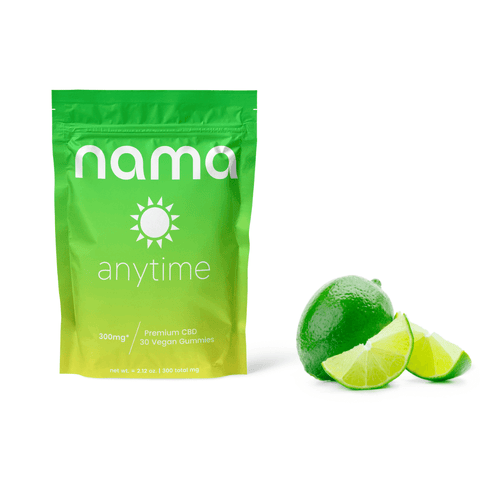
If you are subject to drug testing, look for broad-spectrum CBD products, such as our Anytime gummies, or CBD isolates that contain zero THC. Keep documentation of your treatment in case you need to explain positive test results.
Top Sellers
New? Start with our Ultimate Sampler!
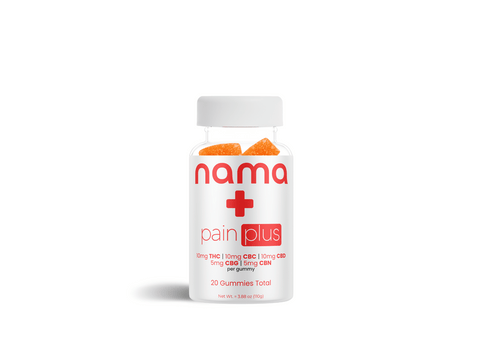
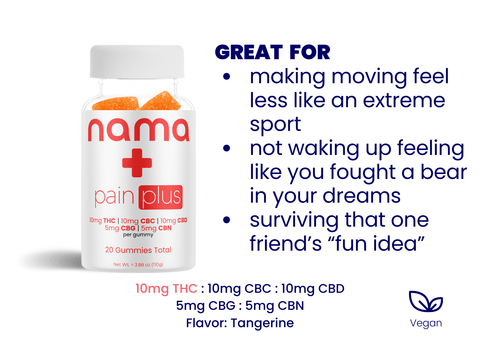
THC: 10 mg | CBC: 10 mg | CBD: 10 mg | CBG: 5 mg | CBN 5mg
Resources
World Health Organization: WHO. (2024, February 7). Epilepsy. https://www.who.int/news-room/fact-sheets/detail/epilepsy
Office of the Commissioner. (2024c, July 16). FDA regulation of Cannabis and Cannabis-Derived Products, including Cannabidiol (CBD). U.S. Food And Drug Administration. https://www.fda.gov/news-events/public-health-focus/fda-regulation-cannabis-and-cannabis-derived-products-including-cannabidiol-cbd
Perucca E. (2017). Cannabinoids in the Treatment of Epilepsy: Hard Evidence at Last?. Journal of epilepsy research, 7(2), 61–76. https://doi.org/10.14581/jer.17012
Borowicz-Reutt, K., Czernia, J., & Krawczyk, M. (2024). CBD in the treatment of epilepsy. Molecules, 29(9), 1981. https://doi.org/10.3390/molecules29091981
Chen, F. Y., Duckman, J. M., Rabinovitch, B. S., Hannesson, K. J., & Lewis, E. C. (2025). 19 patients report seizure freedom with medical cannabis oil treatment for drug-resistant epilepsy: a case series. Frontiers in Neuroscience, 19, 1570531. https://doi.org/10.3389/fnins.2025.1570531
Rosenberg, E. C., Chamberland, S., Bazelot, M., Nebet, E. R., Wang, X., McKenzie, S., Jain, S., Greenhill, S., Wilson, M., Marley, N., Salah, A., Bailey, S., Patra, P. H., . . . Tsien, R. W. (2023). Cannabidiol modulates excitatory-inhibitory ratio to counter hippocampal hyperactivity. Neuron, 111(8), 1282-1300.e8. https://doi.org/10.1016/j.neuron.2023.01.018
Lorenz, R. (2004). On the application of cannabis in paediatrics and epileptology. In Neuroendocrinology Letters (Vol. 25, Issue 1/2, pp. 40–44). Neuroendocrinology Letters. https://www.nel.edu/userfiles/articlesnew/NEL251204A02.pdf
Epilepsy Australia. (2022). Medicinal cannabis in the treatment of epilepsy. https://epilepsyfoundation.org.au/wp-content/uploads/2022/06/Medicinal-Cannabis-Position-Statement-June-2022.pdf
Philibert-Rosas, S., Brace, C. J., Semia, S., Gidal, B. E., Nix, B. T., Josiah, A. F., Boly, M., & Struck, A. F. (2025). The role of cannabis in epilepsy illustrated by two case reports. Epilepsy & Behavior Reports, 32, 100804. https://doi.org/10.1016/j.ebr.2025.100804
Zafar, R., Schlag, A., Phillips, L., & Nutt, D. J. (2021). Medical cannabis for severe treatment resistant epilepsy in children: a case-series of 10 patients. BMJ Paediatrics Open, 5(1), e001234. https://doi.org/10.1136/bmjpo-2021-001234
EPIDIOLEX® (cannabidiol). (n.d.). EPIDIOLEX.com. https://www.epidiolex.com/
Guidance for the use of medicinal cannabis in the treatment of epilepsy in paediatric and young adult patients in Australia. (n.d.). Therapeutic Goods Administration of Australia. https://www.tga.gov.au/resources/explore-topic/medicinal-cannabis-hub/medicinal-cannabis-guidance-documents/guidance-use-medicinal-cannabis-treatment-epilepsy-paediatric-and-young-adult-patients-australia
von Wrede, R., Helmstaedter, C., & Surges, R. (2021). Cannabidiol in the Treatment of Epilepsy. Clinical drug investigation, 41(3), 211–220. https://doi.org/10.1007/s40261-021-01003-y
Further reading
Is a 10 mg edible too much for a beginner?
Should you microdose THC for pain?
nama CBD FDA & legal disclaimer
Our cannabis products are not intended to diagnose, treat, cure, or prevent any disease. They are not a replacement for prescription medications and have not been evaluated by the Food and Drug Administration (FDA).
The information provided on this website does not and is not intended to constitute legal advice or any statements of the status of any laws. Any information, content, and materials available on this site are for general informational purposes only and are not intended to be relied upon for any purpose.
Readers of this website should contact their attorney to obtain advice concerning any particular legal matter, including decisions on what products are, or are not, legal to sell, possess, or consume. No reader, user, or browser of this site should act or refrain from acting based on information on this site without first seeking legal advice from their counsel in the relevant jurisdiction.
Only your attorney can provide assurances that the information contained herein—and your interpretation of it—is applicable or accurate for your particular situation. Use of, and access to, this website or any of the links or resources contained within the site do not create an attorney-client relationship between the reader, user, or browser, and website authors, contributors, contributing law firms, or committee members and their respective employers.

About
Learn
Join us on this journey
© Copyright 2025 nama Products LLC. All Rights Reserved.
†These statements have not been evaluated by the Food and Drug Administration. These products are not intended to diagnose, treat, cure or prevent any disease. All information presented here is not meant as a substitute for or alternative to information from health care practitioners. Please consult your health care professional about potential interactions or other possible complications before using any product.
††The information provided on this website does not, and is not intended to, constitute legal advice or any statements of the status of any laws. Any information, content, and materials available on this site are for general entertainment purposes only, and are not intended to be relied upon for any purpose.
By clicking ‘Yes,’ you agree to our
Terms & Conditions and Privacy Policy
123 John Doe Street
Your Town, YT 12345
Store Hours
Sun: Closed
Mon-Fri: 9:00 - 17:00
Sat: 10:00 - 13:00
What to expect at pickup
Closed
Closing at 5pm
Closing at 5pm
Closing at 5pm
Closing at 5pm
Closing at 5pm
Closing at 1pm

Comments (0)
There are no comments for this article. Be the first one to leave a message!