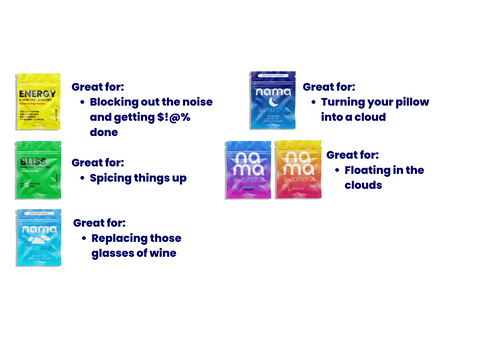
Cannabis and mental health have a complicated relationship. A 2026 systematic review in The Lancet Psychiatry analyzed 54 randomized controlled trials covering 2,477 participants and found no evidence that cannabinoids effectively treat anxiety, depression, or PTSD when used as primary treatment.
At the same time, millions of people report that low-dose THC and CBD edibles feel calming or mood-lifting. The gap between clinical trial outcomes and lived experience is where things get interesting.
Key takeaways
- The largest RCT meta-analysis to date found no evidence that medicinal cannabis effectively treats anxiety, depression, or PTSD.
- Small doses of THC and CBD may calm, improve mood, or relieve stress.
- High-THC products are linked to increased anxiety, paranoia, and (in vulnerable populations) psychosis. Low-dose, balanced THC:CBD edibles carry less risk.
- Cannabis edibles do not replace therapy, prescribed medication, or crisis care for any mental health condition.
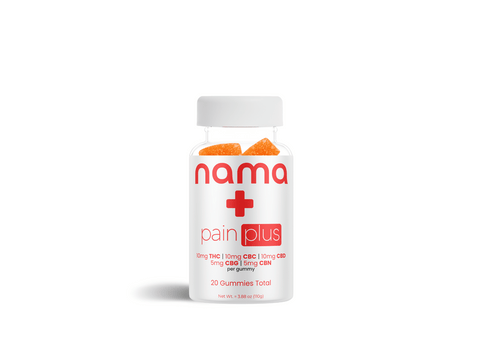
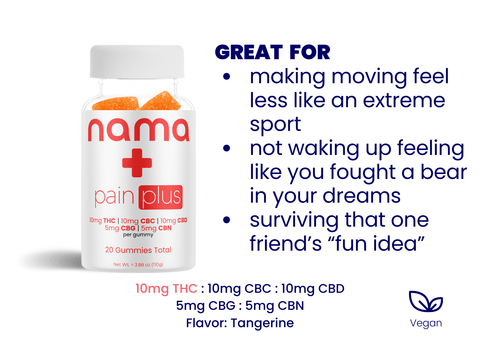
10mg THC | 10mg CBD | 10mg CBC | 5mg CBG | 5mg CBN (per gummy)
How do THC and CBD affect the brain and mood?
THC and CBD interact with the endocannabinoid system, a network of receptors and signaling molecules that helps regulate mood, stress response, appetite, sleep, and pain perception.
THC binds to CB1 receptors in the brain. At low doses, this binding can shift mood, reduce stress reactivity, and produce a mild euphoria. At higher doses, the same mechanism can produce anxiety, paranoia, and impaired thinking.
CBD does not bind strongly to CB1 receptors and is non-intoxicating. It appears to modulate the endocannabinoid system indirectly and to interact with serotonin receptors involved in mood regulation. CBD may also dampen some of the unwanted effects of THC, which is why balanced THC:CBD products are often gentler than THC-only formulations.
The endocannabinoid system regulates serotonin and dopamine signaling, both of which are central to mood and motivation. This biological connection explains why many people report feeling better when they microdose cannabis.
Can cannabis edibles improve mental health?
"Mental health" as a general concept includes managing stress, mood, irritability, sleep quality, and nervous-system overload. "Mental health disorders" are clinical diagnoses like major depressive disorder, generalized anxiety disorder, PTSD, and OCD. Cannabis edibles have a stronger body of evidence for improving the former than the latter.
Low-dose THC at 2.5 to 5 mg can produce a calming, mildly euphoric effect that many users describe as "taking the edge off." CBD at 10 to 25 mg may have mild, non-intoxicating anxiolytic effects in some people. Combined, low-dose THC and CBD can reduce stress.
A 2026 Lancet Psychiatry meta-analysis demonstrates that the everyday benefits of cannabis don't scale into reliable mental health treatment. When researchers test cannabinoids against a placebo for diagnosed mental disorders, the cannabinoid group rarely outperforms the placebo, and the cannabinoid group experiences more adverse events.
Does marijuana help with depression?
Observational and self-report studies are largely positive. A 2017 systematic review found that 7 of 9 cross-sectional studies reported improvements in depressive symptoms among medical cannabis users. A Washington State survey of 1,429 medical cannabis users found that over half used cannabis for depression and generally reported that it improved their symptoms. Self-report data from large dispensary populations shows that people experience better moods, especially with low-dose, balanced products.
An animal study tested THC at three doses (1.25, 2.5, and 5 mg/kg) and found a U-shaped dose-response curve: only the middle dose of 2.5 mg/kg produced antidepressant-like effects in the forced swim test and the tail suspension test. CBD and CBC (cannabichromene) also showed antidepressant-like effects. This biphasic curve is consistent with what cannabis users describe in practice; small doses lift mood, and large doses don't help or make things worse.
Randomized controlled trial evidence is weaker. The 2026 Lancet Psychiatry meta-analysis found no significant benefit of cannabinoids over placebo for depression in RCTs. Critics point out that most cannabis RCTs use single doses, fixed formulations, or pharmaceutical isolates that may not reflect how real-world users consume low-dose, balanced THC:CBD products. Defenders of the RCT evidence note that without controlled trials, observational data is hard to separate from placebo effect, self-selection bias, and the well-documented mood lift many substances produce in the short term.
For deeper coverage of microdosed THC and mood support, see microdosing THC for depression.
Can cannabis edibles help with anxiety and stress?
Dose, individual sensitivity, and the THC:CBD ratio determine whether cannabis has anxiety-reducing and anxiety-provoking effects.
A 2024 critical review concluded that cannabis can produce anxiolytic and anxiogenic effects, and that habitual cannabis use is associated with anxiety disorders.
Low doses of CBD, with or without small amounts of THC, may feel calming for some people in everyday stress situations. A 2022 open-label trial of high-CBD treatment for anxiety reported clinical and cognitive improvement in participants, though the study lacked a placebo control. Low-dose CBD-forward products are the safer category for anyone exploring cannabis for stress, since CBD does not cause intoxication and does not amplify anxiety the way THC can.
If you're new to cannabis and want to try edibles for stress or general anxiety, the safest starting point is a CBD-dominant product with little or no THC. If you want some THC, choose balanced products in the 2 to 5 mg THC range paired with 10 to 25 mg CBD, as they are unlikely to trigger anxiety in most users. Avoid 10 mg or higher THC doses if anxiety is your concern.
See microdosing THC for anxiety and CBD for stress and anxiety for more information.
Can marijuana edibles help with PTSD or trauma?
A 2026 meta-analysis found no evidence that marijuana treats PTSD. This conclusion mirrors previous research.
Anecdotally, some people with PTSD describe benefit from low-dose THC at night, reporting fewer nightmares and easier sleep onset. The mechanism behind this may be that THC affects REM sleep, and reduced REM may dampen nightmare frequency.
Trauma-focused therapy (such as EMDR, prolonged exposure, or trauma-focused CBT) remains the evidence-based treatment for PTSD. Cannabis edibles do not address the core mechanisms of trauma memory consolidation and re-processing that effective therapy targets. If you're using cannabis for PTSD, it should be accompanied by professional treatment, not instead of it.
A low-dose THC and CBD combination taken 60 to 90 minutes before bed may help with sleep-related PTSD symptoms in some people. A typical formulation for this purpose pairs 2 mg THC with 25 mg CBD and a small amount of melatonin. Daytime cannabis use for PTSD hyperarousal is more complicated and worth discussing with a clinician familiar with cannabis pharmacology.
For deeper coverage, see microdosing THC for PTSD.
Can weed edibles help with OCD and obsessive thoughts?
OCD research is small but promising. A 2020 study used self-report data from a cannabis tracking app and found that people with OCD reported a 60% reduction in compulsions, a 49% reduction in intrusions, and a 52% reduction in anxiety after inhaling cannabis. The effect was acute, meaning it lasted only as long as the cannabis was active.
The study used inhaled cannabis, and the data was observational and self-reported. Edibles produce a slower, longer-acting effect than smoking, so the timing and quality of any potential benefit would differ; acute symptom reduction isn’t the same as treating the underlying condition.
Mainstream OCD treatment evidence supports exposure and response prevention therapy and SSRIs. Cannabis edibles are not a substitute. If you have OCD and want to experiment with edibles for short-term symptom relief, do so alongside professional treatment. CBD-dominant products with little THC are the safest starting point: 10 to 25 mg CBD with 2 to 5 mg THC, taken when symptoms are heightened.
For more, see our guide on microdosing edibles for OCD.
Who should avoid cannabis edibles for mental health?
Cannabis edibles are not appropriate for everyone. Talk to a healthcare professional before using THC or CBD edibles if any of the following apply to you.
- You take antidepressants, benzodiazepines, sedatives, antipsychotics, mood stabilizers, seizure medications, or blood thinners. Cannabinoids can affect how the liver metabolizes these drugs.
- You are pregnant or breastfeeding. Cannabis use during pregnancy or breastfeeding is linked to developmental risks.
- You have a personal or family history of psychosis or schizophrenia. THC use is associated with increased risk of psychotic episodes in vulnerable populations.
- You have bipolar disorder. THC can destabilize mood and may worsen manic or depressive episodes.
- You are under 21. The developing brain is more vulnerable to cannabis-related cognitive effects.
- You have safety-sensitive responsibilities such as driving, operating equipment, or making safety-critical decisions in the hours after use.
- You are subject to workplace drug testing. Even hemp-derived Delta-9 THC can produce a positive drug test result.
- You have a history of panic, paranoia, or dissociation from THC. These reactions tend to recur with repeated use.
This list isn't exhaustive. If you're managing a chronic condition or taking prescription medication, talk to your doctor or pharmacist before adding cannabis edibles to your routine.
What if an edible makes your mental health worse?
Sometimes cannabis edibles cause more anxiety, paranoia, racing thoughts, or emotional flatness. This is more common with high-THC products and users who are THC-sensitive. Here's what to do:
- Stop redosing immediately. The most common reason a cannabis experience goes badly is taking more before the first dose has finished kicking in.
- Move to a calm environment with dim lights, a comfortable temperature, and no overwhelming stimulation.
- Hydrate and eat a light snack. Low blood sugar and dehydration both intensify uncomfortable cannabis effects.
- Remind yourself that the effects are temporary. THC effects from an edible typically last 4 to 8 hours.
- For future use, lower the dose. If 5 mg felt bad, try 2.5 mg next time. If 2.5 mg still feels bad, try a CBD-dominant product with 1 mg or less of THC, or no THC at all.
Product QUIZ
Need help deciding what product is best for you? Take our quiz, just three questions until your perfect match!
The best nama edibles for mental health support
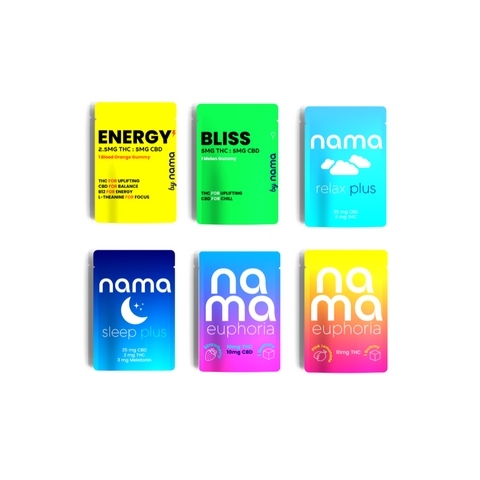
Our cannabis edibles support mental health, but they don’t treat mental health disorders. Here are the products we suggest for better moods, less stress, and deeper sleep:
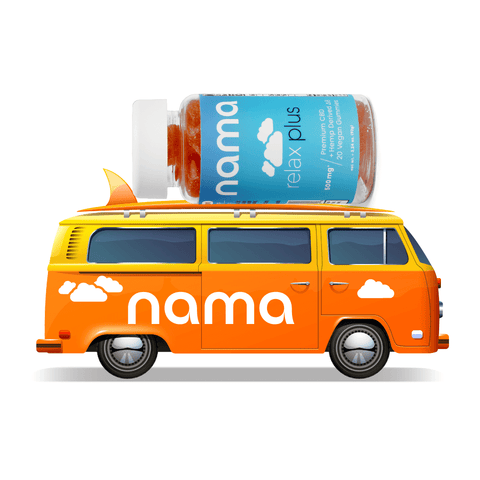
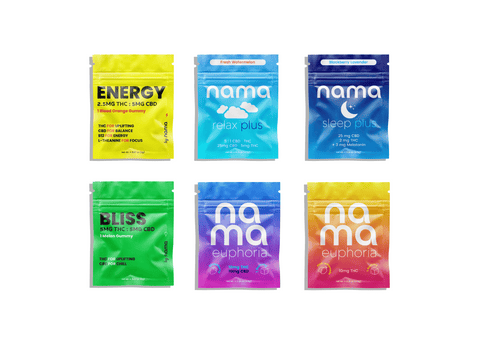
- For stress without intoxication: Relax gummies (25 mg CBD + 100 mg ashwagandha, no THC). Calming without affecting cognition. Take in the late afternoon or evening.
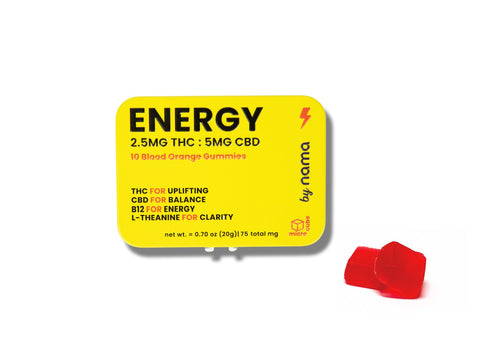
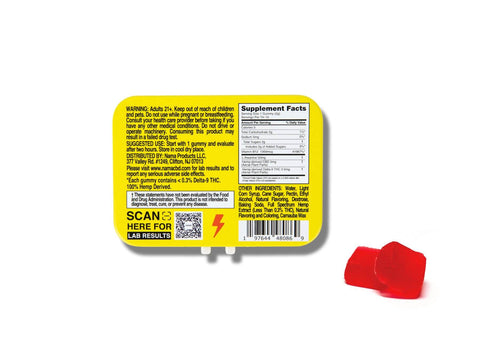
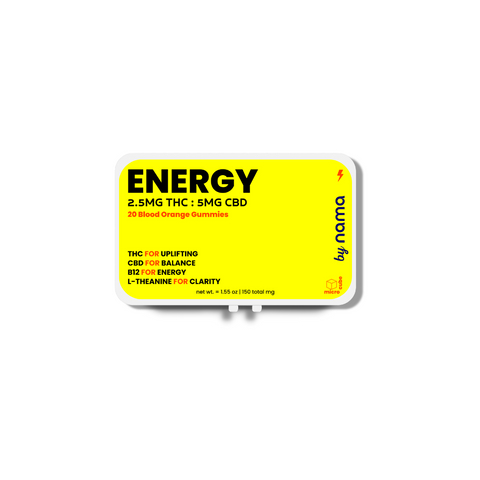
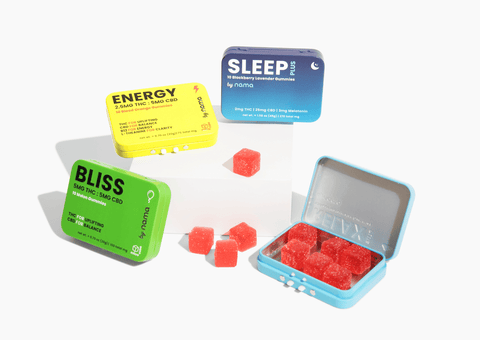
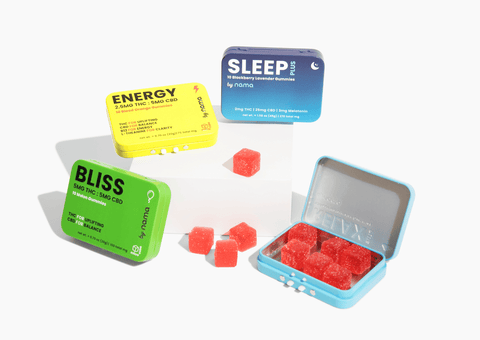
- For mood support during the day: Energy gummies (2.5 mg THC + 5 mg CBD + L-theanine + B12). Microdose-level THC that should not impair most users.
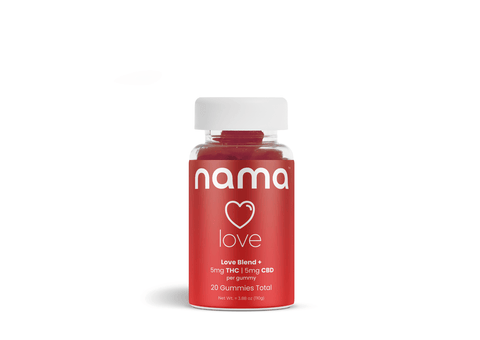
- For a light social or evening lift: Bliss gummies (5 mg THC + 5 mg CBD). Balanced ratio, gentle effect.
- For evening stress with sleep onset issues: Sleep Plus (2 mg THC + 25 mg CBD + 3 mg melatonin). Take 60 to 90 minutes before bed.
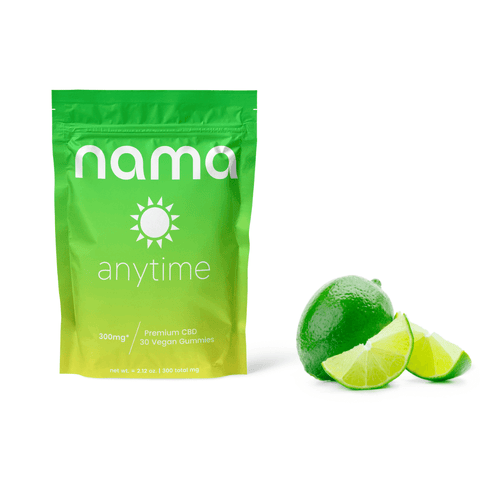
- For complete THC avoidance: Anytime broad-spectrum CBD gummies (10 mg CBD, zero THC). Useful if you're drug tested or sensitive to THC.
- For exploring multiple formulas: The Ultimate nama Sampler. One gummy of each across our main formulations.
Edibles for mental health FAQ
Delta 9 edibles have a relatively long shelf life compared to other food items, but they too can expire. Expired edibles won’t make you sick, but you’ll find them considerably less potent and juicy. Over time, the THC and CBD in them can degrade, but if you store them properly in a cool, dark place, our gummies can maintain potency and taste for up to 24 months.
After that, you may notice they’ve begun to fade in color and flavor. Dryness, mold, odors, or condensation inside the package means it’s best to discard the edibles.
For the best experience, enjoy your properly stored cannabis treats within the first two years and order fresh when they expire. If you’re unsure about the quality of your expired gummies, it's best to throw them out and order fresh from nama.
Proper storage of your edibles is key to keeping them tasty and potent for longer. Whether you incorporate cannabis gummies into your daily routine or just take them occasionally, you want to avoid spoilage and keep them fresh at all times.
Here are some of our tips and tricks for proper storage to maintain the freshness, safety, and potency of your favorite THC gummies.
- Wrap your edibles with parchment paper to create a protective barrier against air, moisture, and light. This prevents the degradation of potency over time and maintains the intended texture and flavor.
- Freeze edibles properly wrapped or in airtight containers to extend shelf life to over a year. This puts degradation on hold, protecting potency, safety, and quality.
- Use airtight containers such as glass jars or plastic containers with tight-fitting lids to limit contact with oxygen and humidity. Exposure leads to lower potency and causes edibles to dry out and harden.
- Keep edibles in a cool, dark, dry area. To slow the deterioration of active cannabinoids and terpenes, the ideal storage areas for edibles are dark spaces with consistent temperatures around 60-70° F and minimal humidity.
- Keep temperatures stable to avoid condensation inside containers. The moisture from temperature shifts causes chemical changes and potency loss. If you’re taking out edibles from the freezer, let them defrost gradually before consuming them to prevent moisture issues.
- Label storage containers with prep or packaging dates to track shelf life. Go by expiration dates, but track freeze dates separately.
The Agriculture Improvement Act of 2018, known as the 2018 Farm Bill, drew a legal distinction between hemp and marijuana, and legalized Delta 9 THC products on a federal level in the US, provided they meet the following conditions:
- The THC concentration in products has to be 0.3% or below by dry weight
- The Delta 9 THC has to be extracted from hemp, not marijuana
All our Delta 9 gummies are federally legal because they meet the criteria of the 2018 Farm Bill.
Most states have adopted Farm Bill criteria into their own legislation. As of November 2022, only Kansas and Idaho have banned all forms of Delta 9, which means that our delicious gummies can be sold in 48 states.
For more info, check out our state-by-state guide on the legality of Delta 9 to make sure our delicious cannabis products are legal in your state.
Cannabinoids can be used to treat several medical conditions, including:
- Pain management
- Nausea and vomiting reduction in chemotherapy patients
- Muscle spasticity treatment in conditions such as multiple sclerosis
- Appetite stimulation in cancer and HIV and AIDS patients
- Anxiety and PTSD management
- Seizure disorder treatment
- Neurodegenerative diseases such as Alzheimer's and Parkinson's
In some jurisdictions where medical cannabis is legal, mental health conditions such as anxiety, depression, PTSD, and others may qualify for a medical card. This typically involves consultation with a health care provider who can evaluate your condition, provide relevant documentation, and issue a recommendation or prescription if appropriate.
To obtain a medical card for mental health, you typically need to undergo a consultation with a healthcare provider who is authorized to recommend medicinal cannabis. During the consultation, the healthcare provider will assess the individual's condition, medical history, and treatment needs to determine if cannabis is a suitable option. If deemed appropriate, the healthcare provider may issue a recommendation or prescription for medicinal cannabis, allowing the individual to apply for a medical card or registration with the relevant regulatory agency.
While some studies suggest that certain cannabinoids, particularly CBD, may promote neurogenesis (the growth of new brain cells) in specific contexts, the evidence is still limited and inconclusive. More research is needed to fully understand the effects of cannabis use on neurogenesis and their potential therapeutic benefits.
Combining CBD with antidepressants should be approached cautiously and under medical supervision. CBD can interact with certain antidepressants, potentially affecting their metabolism and efficacy. It's essential to consult with a healthcare provider to determine the safety and appropriateness of combining CBD with antidepressant medication.
Serotonin syndrome is typically reversible and resolves once the causative agents are discontinued and supportive care is provided. Permanent damage from serotonin syndrome is rare but theoretically possible in severe cases, particularly if complications such as prolonged seizures or organ failure occur. Prompt medical intervention is crucial to prevent complications and facilitate a full recovery.
Low-THC edibles are often preferred for anxiety, as CBD has potential anxiolytic (anxiety-reducing) effects without the intoxicating effects associated with THC. Relaxing herbal blends or slow-release formulations may also complement the anxiolytic effects of cannabinoids. It's essential to choose lab-tested products from reputable manufacturers and start with a low dose to determine individual tolerance and preferences.
Edibles, especially those containing THC, can affect emotions due to factors such as dose and potency, individual sensitivity, mindset and environment, expectations and anxiety, interactions with other substances, and personal vulnerabilities. THC's psychoactive effects can amplify existing emotional states and lead to heightened sensitivity or mood swings.
To feel better after consuming edibles, stay calm, hydrate, and nourish yourself. Change your environment to a comfortable and supportive one, distract yourself with enjoyable activities, and practice relaxation techniques such as deep breathing or meditation. Remember that the effects of edibles are temporary and will eventually pass. If distress persists or worsens, seek support from a trusted friend or healthcare professional.
Top Sellers
New? Start with our Ultimate Sampler!
10mg THC | 10mg CBD | 10mg CBC | 5mg CBG | 5mg CBN (per gummy)
Further reading
What are the best THC microdosing amounts?
Microdosing cannabis for panic attacks
Endocannabinoid deficiency and ADHD
Resources
Beletsky, A., Liu, C., Lochte, B., Samuel, N., & Grant, I. (2024). Cannabis and anxiety: A critical review. Medical Cannabis and Cannabinoids, 7(1), 19–30. https://doi.org/10.1159/000534855
Dahlgren, M. K., Lambros, A. M., Smith, R. T., Sagar, K. A., & Gruber, S. A. (2022). Clinical and cognitive improvement following full-spectrum, high-cannabidiol treatment for anxiety: Open-label data from a two-stage, phase 2 clinical trial. Communications Medicine, 2(1), 1–10. https://doi.org/10.1038/s43856-022-00202-8
El-Alfy, A. T., Ivey, K., Robinson, K., Ahmed, S., Radwan, M., Slade, D., Khan, I., ElSohly, M., & Ross, S. (2010). Antidepressant-like effect of Δ9-tetrahydrocannabinol and other cannabinoids isolated from Cannabis sativa L. Pharmacology, Biochemistry, and Behavior, 95(4), 434–442. https://doi.org/10.1016/j.pbb.2010.03.004
Mauzay, D., LaFrance, E. M., & Cuttler, C. (2021). Acute effects of cannabis on symptoms of obsessive-compulsive disorder. Journal of Affective Disorders, 279, 158–163. https://doi.org/10.1016/j.jad.2020.09.124
Walsh, Z., Gonzalez, R., Crosby, K., Thiessen, M. S., Carroll, C., & Bonn-Miller, M. O. (2017). Medical cannabis and mental health: A guided systematic review. Clinical Psychology Review, 51, 15–29. https://doi.org/10.1016/j.cpr.2016.10.002
Wilson, J., Dobson, O., Langcake, A., Mishra, P., Bryant, Z., Leung, J., Dawson, D., Graham, M., Teesson, M., Freeman, T. P., Hall, W., Chan, G. C. K., & Stockings, E. (2026). The efficacy and safety of cannabinoids for the treatment of mental disorders and substance use disorders: A systematic review and meta-analysis. The Lancet Psychiatry, 13(4), 304–315. https://doi.org/10.1016/S2215-0366(26)00015-5
Covey, D. P., Mateo, Y., Sulzer, D., Cheer, J. F., & Lovinger, D. M. (2017). Endocannabinoid modulation of dopamine neurotransmission. Neuropharmacology, 124, 52–61. https://doi.org/10.1016/j.neuropharm.2017.04.033
Sexton, M., Cuttler, C., Finnell, J. S., & Mischley, L. K. (2016). A Cross-Sectional Survey of Medical Cannabis Users: Patterns of Use and Perceived Efficacy. Cannabis and cannabinoid research, 1(1), 131–138. https://doi.org/10.1089/can.2016.0007
nama CBD FDA & Legal Disclaimer
Our products are not intended to diagnose, treat, cure, or prevent any disease. They are not a replacement for prescription medications and have not been evaluated by the Food and Drug Administration (FDA).
The information provided on this website does not, and is not intended to, constitute legal advice or any statements of the status of any laws. Any information, content, and materials available on this site are for general informational purposes only and are not intended to be relied upon for any purpose.
Readers of this website should contact their attorney to obtain advice with respect to any particular legal matter, including decisions on what products are, or are not, legal to sell, possess, or consume. No reader, user, or browser of this site should act or refrain from acting based on information on this site without first seeking legal advice from their own counsel in the relevant jurisdiction.
About
Learn
Join us on this journey
© Copyright 2026 nama Products LLC. All Rights Reserved.
†These statements have not been evaluated by the Food and Drug Administration. These products are not intended to diagnose, treat, cure or prevent any disease. All information presented here is not meant as a substitute for or alternative to information from health care practitioners. Please consult your health care professional about potential interactions or other possible complications before using any product.
††The information provided on this website does not, and is not intended to, constitute legal advice or any statements of the status of any laws. Any information, content, and materials available on this site are for general entertainment purposes only, and are not intended to be relied upon for any purpose.
nama: The only source for Buzz Drops™
By clicking ‘Yes,’ you agree to our
Terms & Conditions and Privacy Policy
123 John Doe Street
Your Town, YT 12345
Store Hours
Sun: Closed
Mon-Fri: 9:00 - 17:00
Sat: 10:00 - 13:00
What to expect at pickup
Closed
Closing at 5pm
Closing at 5pm
Closing at 5pm
Closing at 5pm
Closing at 5pm
Closing at 1pm

Comments (0)
There are no comments for this article. Be the first one to leave a message!