Does cannabis help with lupus?

Dec 16, 2025The nama Team

Lupus causes the immune system to attack healthy tissues throughout the body. According to the Lupus Foundation of America, lupus affects over 1.5 million people in the United States. Current treatments focus on symptom management and organ damage prevention, but many patients find existing medications inadequate or intolerable.

Cannabis may offer lupus patients relief from pain and inflammation through immune modulation. Learn about ongoing clinical trials on cannabis for lupus.

Emerging research suggests cannabinoids, particularly CBD, offer a new approach to managing lupus symptoms through multiple therapeutic pathways. Clinical trials are still underway, but the interaction of cannabinoids with the immune system could improve autoimmune conditions like lupus.

Buzz Drops™ [THC Drink Drops]
On Sale from $27.95
Buzz Drops™ [THC Drink Drops]

THC: 2.5 mg | CBD: 2.5 mg (per serving)

Save up to $41.05 THC
Buzz Packs™ [THC and CBD Powder Drink Mix]
On Sale from $29.95
Buzz Packs™ [THC and CBD Powder Drink Mix]

THC: 5 mg | CBD: 5 mg (per serving)

Save up to $50.00 THC

Lupus and the endocannabinoid system

Your body’s endocannabinoid system (ECS) consists of CB1 and CB2 receptors distributed throughout your organs and immune cells. CB1 receptors concentrate in the nervous system and connective tissues, while CB2 receptors populate immune cells, the spleen, liver, and other organs involved in immune function. Cannabinoids bind to these same receptors and influence how immune cells function and communicate.

With lupus, your immune system becomes hyperactive and produces autoantibodies that attack your own tissues. The endocannabinoid system tries to regulate this response. Research shows that lupus patients have elevated levels of 2-AG, a natural endocannabinoid, with higher levels correlating to lower disease activity. This suggests your body attempts to calm inflammation through the 2-AG pathway, the same pathway cannabis seems to activate as well.

Can cannabis reduce inflammation caused by lupus?

In a comprehensive review of the therapeutic potential and concerns of cannabis for inflammation, researchers detail how cannabinoids affect different immune cells involved in lupus. T lymphocytes, B lymphocytes, macrophages, and dendritic cells all have cannabinoid receptors. When activated, CB2 receptors in these cells reduce the production of inflammatory proteins called cytokines, which promotes anti-inflammatory responses.

According to this review, THC generally exhibits immunosuppressive properties that could benefit autoimmune conditions, while CBD provides anti-inflammatory effects without broadly suppressing immune function. This distinction matters because lupus patients need inflammation control without a complete immune shutdown, which would increase infection risk.

The research on CBD for managing lupus

Though recent and ongoing research shows promise, studies on the effects of cannabis on lupus are limited. 

A case study examined a 50-year-old woman with lupus, rheumatoid arthritis, and Raynaud's disease. She had tried conventional treatments, including prednisone and leflunomide, with limited success and significant side effects. After discontinuing these drugs, she began taking 600 mg of highly purified CBD daily (200 mg three times per day).

Within 72 hours, she reported significant improvement in pain and mobility. By day 10, she reached maximum therapeutic effect. Her McGill Pain score dropped from 52 out of 78 to 25 out of 78 after 28 days. Quality of life scores improved across all measured domains, and lab tests showed her inflammatory markers decreased.

This patient maintained improvement using CBD alone, gradually reducing her dose from 600 mg per day to 200 mg per day over several months. She discontinued all conventional medications and no longer required rheumatology visits. 

While this represents a single case, the objective laboratory confirmation of reduced inflammation alongside subjective symptom relief demonstrates proof of concept for CBD's therapeutic potential.

Ongoing clinical trials on cannabis and lupus

Dr. Fotios Koumpouras is leading a multi-site randomized clinical trial that examines whether Lenabasum, a synthetically created cannabinoid molecule that preferentially binds to CB2 receptors, can help ease pain and inflammation in lupus patients. The trial aims to recruit 100 participants who will receive Lenabasum or a placebo for nearly three months while monitoring pain, inflammation, and disease activity.

Lenabasum was designed as a potent therapeutic agent free of the psychoactive effects typical of most cannabinoids. It binds to CB2 receptors found primarily in the immune system and produces proteins called "resolvins" that appear to resolve inflammation. This targeted approach may reduce lupus inflammation without affecting brain function or causing intoxication.

How does cannabis relieve symptoms of lupus

In a study review, scientists identified several mechanisms through which cannabinoids may help lupus patients.

Inflammation control

CBD activates PPAR-γ receptors in neurons and immune cells, which interact directly with NF-κB proteins to prevent transcription of genes that produce inflammatory proteins like COX-2 and iNOS. This reduces the production of prostaglandins and other inflammatory compounds.

Oxidative stress reduction

Lupus generates reactive oxygen species that damage tissues and worsen inflammation. Cannabis demonstrates antioxidant capacity by activating TRPV receptors and influencing the Nrf-2 transcription factor, which controls genes associated with oxidative stress protection.

Cytokine modulation

Cannabis reduces pro-inflammatory cytokines, including TNF-α, IL-6, IL-1β, and IL-17, while potentially increasing anti-inflammatory IL-10. This rebalancing helps control the excessive immune response characteristic of lupus.

Pain pathway activation

Beyond immune effects, cannabis activates serotonin receptors and modulates pain pathways. It acts on TRPV1 channels that regulate pain signaling, which provides relief through mechanisms independent of its anti-inflammatory action. CBD also inhibits fatty acid amide hydrolase (FAAH) enzymes, which leads to increased anandamide levels associated with reduced pain perception.

Product QUIZ

Need help deciding what product is best for you? Take our quiz, just three questions until your perfect match!

Other lupus symptoms that may respond to cannabis

Beyond inflammation and pain, lupus causes numerous symptoms that might improve with cannabinoids:

  • Fatigue: Cannabinoids influence energy metabolism and may help combat debilitating fatigue. The case study patient reported dramatic improvement in energy levels across multiple assessment domains.
  • Skin manifestations: CBD's anti-inflammatory and antioxidant properties may help with lupus-related skin issues, including rashes and photosensitivity. Topical CBD products could provide direct benefit to affected skin areas.
  • Anxiety and depression: Lupus commonly causes mood disturbances. CBD's activation of serotonin receptors and ability to inhibit FAAH contribute to antidepressant and anxiolytic effects.
  • Sleep disturbances: Many lupus patients struggle with sleep. CBD may improve sleep quality through its anxiolytic properties and pain relief.
  • Neurological symptoms: Lupus can affect the brain, causing headaches, cognitive dysfunction, and seizures. CBD demonstrates neuroprotective properties and has gained FDA approval for treating certain severe epilepsy syndromes in children.

Dosing cannabis for lupus symptoms

Standard cannabis dosing guidelines for lupus don’t exist due to limited clinical data. The previously mentioned case study used 600 mg of highly purified CBD daily, divided into three 200 mg doses taken sublingually. After achieving symptom control, the patient successfully reduced to a 200 mg daily maintenance dose.

This is a high dose compared to recreational CBD use. Start lower and increase gradually under medical supervision. Begin with 20–30 mg of high-quality CBD twice a day, then increase by 10–20 mg every few days based on response. Track symptoms and side effects in a journal.

Take CBD consistently at the same times each day for stable blood levels. Sublingual tinctures and cannabis drinks provide faster absorption than capsules, with effects beginning within 15–30 minutes. Some patients combine edible products with topical application on affected areas for targeted relief.

Work with a healthcare provider familiar with cannabinoid therapy. Lupus treatment requires medical oversight, and cannabis should complement, not replace, conventional care without physician guidance.

Cannabis for lupus: Risks and considerations

Cannabis appears relatively safe for lupus patients, but important caveats exist:

  • Immune suppression: While therapeutic for autoimmune disease, excessive immunosuppression increases infection risk. A review of therapeutic potential and concerns study emphasizes that chronic cannabis use may alter immune responses with both beneficial and adverse effects. Monitor for increased infections when using cannabinoids long-term.
  • Drug interactions: Cannabis affects liver enzymes that metabolize many lupus medications, including immunosuppressants, blood thinners, and corticosteroids. Discuss all medications with your healthcare provider before starting cannabis. Cannabis may increase the absorption of some drugs and decrease the effectiveness of others.
  • Quality and purity: The previously mentioned case study used pharmaceutical-grade CBD with 99.9% purity. Commercial products vary in quality, potency, and purity. Third-party lab testing verifies cannabinoid content and screens for contaminants, including pesticides and heavy metals.
  • Psychoactive effects: Pure CBD lacks the intoxicating effects of THC. Products labeled "full-spectrum" or "whole plant" contain THC, which may cause euphoria, anxiety, or impaired function. If workplace drug testing concerns you, choose CBD products with zero THC. The case study patient tested negative for THC despite daily high-dose CBD use.

Best nama CBD products for lupus

We make hemp-derived CBD and THC products to address your every need. All of our products go through rigorous third party testing so you know that the purity and potency never wavers.

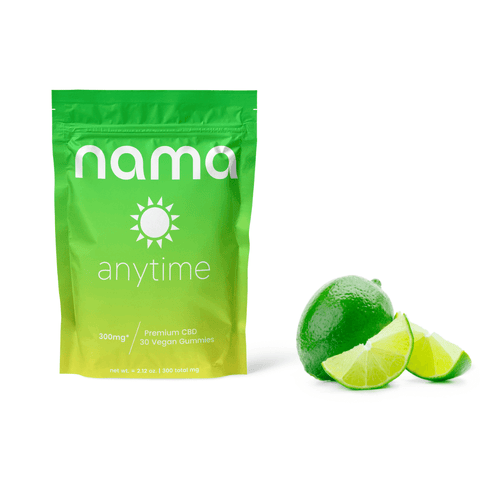
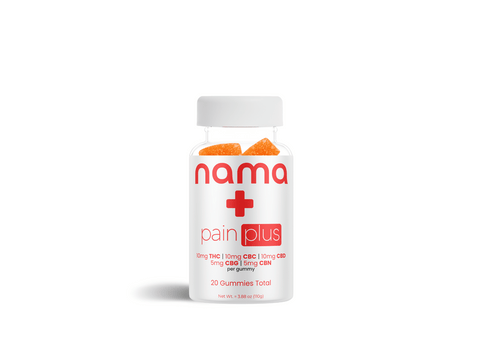
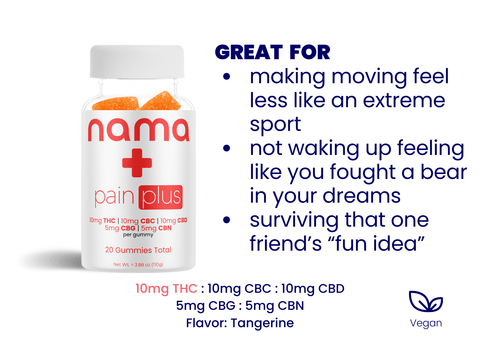
Our Anytime CBD gummies pack 10 mg of broad-spectrum CBD per serving. Start here for mild pain and inflammation reduction that won't leave you foggy. For severe pain, try our Pain Plus gummies. These combine 10 mg CBD, THC, and CBC, and 5 mg of CBG and CBN, for an entourage effect that amplifies pain relief.

For customizable dosing, Buzz Drops let you fine-tune your relief. Each dropper contains 2.5 mg THC and 2.5 mg CBD. Add your desired dose to tea, smoothies, or water. Start with half a dropper for mild symptoms and work up as needed. The liquid format provides faster relief than gummies when symptoms strike suddenly.

Cannabis for lupus FAQ

No. While cannabinoids may alleviate symptoms and reduce inflammation markers in blood tests, they do not cure lupus. Cannabis could be a symptom management tool that may allow reduction of other medications, but lupus requires ongoing medical management. The disease involves complex autoimmune processes that cannabinoids can modulate but not eliminate.

Never stop prescribed medications without physician guidance. In the case study we discussed above, the patient discontinued medications under medical supervision with careful monitoring of inflammatory markers and disease activity. Your doctor must assess your disease activity, organ function, and medication needs before making any changes.

THC demonstrates broader immunosuppressive properties while CBD provides anti-inflammatory benefits without strong immune suppression. THC also produces psychoactive effects that some patients find undesirable. Some research suggests combining cannabinoids provides superior results through the "entourage effect."

If you want to get the benefits of THC for lupus without the psychoactive effects, try our microdosed THC products.

The published case study showed pain relief beginning within 72 hours, with maximum benefit by day 10. Mood improvements continued to develop through day 21. Response times vary based on dose, product quality, disease severity, and other factors. Inflammatory marker reduction may take several weeks to become apparent in laboratory tests.

No research examines cannabis for lupus kidney involvement. CB2 receptors exist in kidneys, so they could be potential therapeutic targets, but kidney-specific lupus research remains lacking. Never use cannabis as the sole treatment for lupus nephritis, which requires aggressive medical management to prevent kidney failure. Kidney function should be monitored regularly when using any new treatment.

The published case used highly purified CBD isolate in MCT oil taken sublingually. This delivery method provides consistent dosing and avoids first-pass liver metabolism. Sublingual absorption begins within 15–30 minutes. Some patients prefer edibles for convenience despite a slower onset. Topical products may supplement oral dosing for skin and joint symptoms. Full-spectrum products that contain multiple cannabinoids may offer additional benefits but also contain THC.

Top Sellers

New? Start with our Ultimate Sampler!
Buzz Packs™ [THC and CBD Powder Drink Mix]
On Sale from $29.95
Buzz Packs™ [THC and CBD Powder Drink Mix]

THC: 5 mg | CBD: 5 mg (per serving)

Save up to $50.00 THC
Buzz Drops™ [THC Drink Drops]
On Sale from $27.95
Buzz Drops™ [THC Drink Drops]

THC: 2.5 mg | CBD: 2.5 mg (per serving)

Save up to $41.05 THC
Pain Plus Gummies | THC, CBD, CBG, CBC, and CBN
From $49.00
Pain Plus Gummies | THC, CBD, CBG, CBC, and CBN

THC: 10 mg | CBC: 10 mg | CBD: 10 mg | CBG: 5 mg | CBN 5mg

THC
Love | Libido Boosting Gummies With CBD and THC
THC
The Ultimate nama Gummy Sampler
Save $4.05 THC

Resources

Lupus Facts and Statistics | Lupus Foundation of America. (n.d.). Lupus Foundation of America. https://www.lupus.org/resources/lupus-facts-and-statistics 

Navarini, L., Vomero, M., Di Donato, S., Currado, D., Berardicurti, O., Marino, A., Bearzi, P., Biaggi, A., Ferrito, M., Ruscitti, P., Fava, M., Leuti, A., Cipriani, P., Maccarrone, M., & Giacomelli, R. (2022). 2-Arachidonoylglycerol Reduces the Production of Interferon-Gamma in T Lymphocytes from Patients with Systemic Lupus Erythematosus. Biomedicines, 10(7), 1675. https://doi.org/10.3390/biomedicines10071675

Barakat, M., Thiab, S., Alzaghari, L. F., Abdulrazzaq, S. B., Hasen, E., Abuarab, S. F., Nasereddin, L., Omar, A., Barakat, Y., Chellappan, D. K., & Al-Najjar, M. A. (2025). Cannabis and the immune response: A comprehensive review of therapeutic potential and concerns. Phytomedicine Plus, 5(4), 100876. https://doi.org/10.1016/j.phyplu.2025.100876

Shaw, C., MD PhD, & Marcu, J., PhD. (2023). Cannabidiol in the management of comorbid rheumatoid arthritis, lupus, and Raynaud’s disease. AJEM. https://www.endocannabinoidmedicine.com/academicarticle/cannabidiol-in-the-management-of-comorbid-rheumatoid-arthritis-lupus-and-raynauds-disease/

Melzack R. (1975). The McGill Pain Questionnaire: major properties and scoring methods. Pain, 1(3), 277–299. https://doi.org/10.1016/0304-3959(75)90044-5

Chen, J. (2019, September 23). Can cannabinoids help lupus and other diseases? Yale Medicine. https://www.yalemedicine.org/news/cbd-and-lupus

Luz-Veiga, M., Azevedo-Silva, J., & Fernandes, J. C. (2023). Beyond Pain Relief: A Review on Cannabidiol Potential in Medical Therapies. Pharmaceuticals (Basel, Switzerland), 16(2), 155. https://doi.org/10.3390/ph16020155 

Office of the Commissioner. (2024, July 16). FDA regulation of Cannabis and Cannabis-Derived Products, including Cannabidiol (CBD). U.S. Food And Drug Administration. https://www.fda.gov/news-events/public-health-focus/fda-regulation-cannabis-and-cannabis-derived-products-including-cannabidiol-cbd 

Further reading

What terpenes are good for inflammation?

Should you microdose THC for pain?

The benefits of CBN for pain relief

Should you take CBC for pain relief?

The benefits of microdosing THC for inflammation

nama CBD FDA & legal disclaimer

Our cannabis products are not intended to diagnose, treat, cure, or prevent any disease. They are not a replacement for prescription medications and have not been evaluated by the Food and Drug Administration (FDA).

The information provided on this website does not and is not intended to constitute legal advice or any statements of the status of any laws. Any information, content, and materials available on this site are for general informational purposes only and are not intended to be relied upon for any purpose.

Readers of this website should contact their attorney to obtain advice concerning any particular legal matter, including decisions on what products are, or are not, legal to sell, possess, or consume. No reader, user, or browser of this site should act or refrain from acting based on information on this site without first seeking legal advice from their counsel in the relevant jurisdiction.

Only your attorney can provide assurances that the information contained herein—and your interpretation of it—is applicable or accurate for your particular situation. Use of, and access to, this website or any of the links or resources contained within the site do not create an attorney-client relationship between the reader, user, or browser, and website authors, contributors, contributing law firms, or committee members and their respective employers.

More articles

Comments (0)

There are no comments for this article. Be the first one to leave a message!

Leave a comment

Please note: comments must be approved before they are published