California sober is a selective sobriety lifestyle where participants abstain from hard drugs and alcohol, but continue to use cannabis and, in some cases, psychedelics. It emerged from addiction recovery communities as an alternative to complete abstinence.
People who identify as California sober (or Cali sober) have typically struggled with alcohol or drug abuse and choose to eliminate the most harmful substances while maintaining cannabis use for the health and relaxation benefits.
Celebrities popularized the approach through interviews about their addiction recovery journeys. They explained how cannabis helped them quit alcohol and harder drugs. This sparked debate in recovery communities about whether someone using cannabis is "sober."
For those who want to explore California sobriety, try microdosing cannabis for a mindful approach that minimizes addiction risk. Nama CBD™ Buzz Drops™ and Buzz Packs™ deliver precise, low doses of THC and CBD that support wellness without encouraging excessive use.
California sober in an addiction recovery context
California sober is a harm reduction philosophy rather than an abstinence-based recovery program. People who choose this path have often experienced serious consequences from alcohol or drug abuse. They recognize that certain substances damaged their lives, while others can be therapeutic.
This approach acknowledges that recovery isn't one-size-fits-all. Some people thrive with complete abstinence through programs such as Alcoholics Anonymous or Narcotics Anonymous. Others find that rigid sobriety rules trigger rebellion or relapse. California sober offers a middle path.
Recovery professionals are divided on California sobriety. Addiction treatment typically encourages abstinence and views any substance use as a relapse. However, some addiction specialists recognize that harm reduction can be more effective than perfection. They argue that eliminating alcohol and hard drugs represents massive progress, even if cannabis remains.
New research on cannabis use during alcohol recovery
A recent study published in the American Journal of Psychiatry followed 1,392 adults who used cannabis while receiving treatment for alcohol use disorder (AUD) to understand how cannabis use affects recovery outcomes.
What the research found
The study revealed a complex relationship between cannabis use and alcohol recovery. People who used cannabis during AUD treatment showed:
- Lower alcohol consumption on days they didn't use cannabis
- Fewer binge drinking episodes
- Heavier drinking on days when they used both substances
This mixed picture challenges both sides of the California sobriety debate. Cannabis use didn't universally harm or help recovery. Instead, outcomes depended on how people used cannabis and whether they combined it with alcohol.
The most concerning finding involved simultaneous use. When people used cannabis and alcohol together, they drank more than on alcohol-only days. This suggests cannabis might lower inhibitions around drinking limits or enhance alcohol's rewarding effects for some people.
Individual differences
The study found substantial variation in how cannabis affected different people's recovery. Some participants used cannabis without relapsing to alcohol. Others found that any cannabis use triggered alcohol cravings. Personal factors, like addiction severity, mental health conditions, and social environment, influenced outcomes.
California sober doesn’t seem to be universally effective. Your triggers and recovery needs determine whether cannabis supports or undermines your sobriety.
Microdosing implications
While the study didn't examine microdosing, its findings suggest that lower doses might be safer for recovery. Higher THC consumption correlated with more alcohol-related problems. Minimal doses that don't produce intoxication might avoid triggering the reward pathways that lead to alcohol cravings.
Our THC drinks, with just 2.5 mg each of THC and CBD, align with a cautious microdosing approach. Starting with minimal amounts lets you assess whether cannabis triggers alcohol thoughts without risking significant intoxication.
How to be California sober with cannabis
For many, cannabis is essential to alcohol sobriety. Here’s how others use it to stay Cali sober:
Manage withdrawal and cravings
Early drug and alcohol recovery involves intense cravings and uncomfortable withdrawal symptoms. Cannabis can ease these symptoms and reduce the urge to relapse. Some recovering alcoholics find cannabis helps them navigate social situations without feeling deprived or triggered to relapse.
Alleviate underlying issues
Many people self-medicate with alcohol to manage anxiety, depression, PTSD, or chronic pain. Cannabis might address these underlying conditions more safely than alcohol, though more research is needed. Work with healthcare providers to make sure cannabis supplements, rather than replaces, treatment.
Provide routine and ritual
Addiction recovery often leaves a void where substance use rituals existed. Rolling a joint or preparing a cannabis beverage can provide structure and routine without alcohol's destruction. These rituals offer comfort during the challenging transition to life without hard substances.
Support sleep without sedation
Alcohol withdrawal disrupts sleep, sometimes for months. Many recovering addicts get prescribed sedatives that carry their own addiction risks. Cannabis, particularly CBD-dominant products, might support sleep without benzodiazepine dependency risks.
Learn how to use CBD for alcohol withdrawal.
The risks of California sober for people in recovery
While California sober can support recovery, it carries real risks that require honest acknowledgment.
Cross-addiction potential
People with addiction histories might increase the risk of developing new dependencies. Moderate cannabis use might escalate if underlying addiction patterns aren't addressed.
No emotional work
Recovery requires you to confront difficult emotions and past trauma. Cannabis might provide temporary relief, but it can also become an escape mechanism. You need to incorporate healthy forms of coping and dealing with past emotions.
Gateway concerns
While the "gateway drug" theory is largely debunked for the general population, people with addiction histories might be more vulnerable to relapse. Cannabis use could lower inhibitions around other substances or trigger cravings for previous drugs of choice.
Social and legal complications
Many recovery programs, sober living facilities, and support groups prohibit any substance use. A California sober lifestyle might limit access to recovery resources.
Impaired judgment about use patterns
Active addiction impairs self-assessment abilities. Someone might believe they're using cannabis moderately while actually developing problematic patterns. Without accountability and honest self-reflection, California sober can become denial disguised as harm reduction.
Microdosing: The safer approach to California sober
Microdosing cannabis is a mindful approach that minimizes addiction risks while supporting recovery goals. With minimal effective doses, you maintain therapeutic benefits with less risk of the chase-the-high patterns that trigger addictive behaviors.
Microdosing involves consuming sub-perceptual or barely perceptible amounts of THC. You're seeking therapeutic effects, not intoxication. Typical microdoses range from 1–5 mg of THC, far below amounts that cause significant impairment.
Small doses address anxiety and cravings with a lower risk of triggering the reward-seeking behaviors that fuel addiction. You maintain clarity and emotional presence instead of escaping into intoxication.
Successful microdosing requires daily limits, scheduled dosing times, and regular tolerance breaks. Track your usage so the amounts don't creep upward. Having accountability partners helps maintain healthy patterns.

Product QUIZ
Need help deciding what product is best for you? Take our quiz, just three questions until your perfect match!
Who shouldn't go California sober?
California sober isn't appropriate for everyone in recovery. Choose complete abstinence if you:
- Have a history of cannabis addiction or dependency
- Find that any substance use triggers cravings for your drug of choice
- Notice escalating cannabis use over time
- Use cannabis to avoid processing emotions or trauma
- Experience negative consequences from cannabis use
- Feel unable to moderate any substance consumption
- Require sober living or programs that prohibit cannabis
Recovery is deeply personal. Honor your own experience and needs rather than following trends.
California sober vs soberish: different approaches, different goals
For light drinkers or people who have controlled drinking habits outside of social settings, “going soberish” is also an option. It involves occasional, mindful alcohol consumption with strict limits. Here’s how going soberish and Cali sober compare:
California sober typically involves:
- History of substance abuse or addiction
- Complete elimination of alcohol and hard drugs
- Continued cannabis use to manage recovery challenges
- Sometimes includes psychedelics for therapeutic purposes
- Focus on harm reduction rather than perfection
- Often includes therapy or recovery support
Soberish typically involves:
- No history of serious addiction
- Moderate, intentional alcohol consumption
- Setting boundaries around drinking
- Using cannabis as an occasional alcohol alternative
- Flexibility in social situations
- Focus on wellness rather than recovery
When you're California sober, you're actively managing addiction recovery. When you're soberish, you're optimizing your relationship with substances for better health. Both approaches value mindfulness, and with the right approach, can let you enjoy certain social situations without FOMO or regret.
nama products for California sober living
If you've decided the California sober lifestyle aligns with your goals, try microdosed nama products to support your recovery.
Start with minimal doses
Begin with half a dropper of Buzz Drops (1.25 mg each of THC and CBD) to assess your sensitivity. Recovery often changes how your body responds to substances. What worked before might be too much now.
Create structure around use
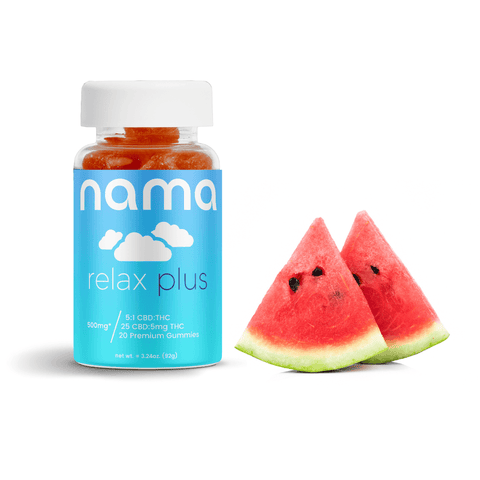
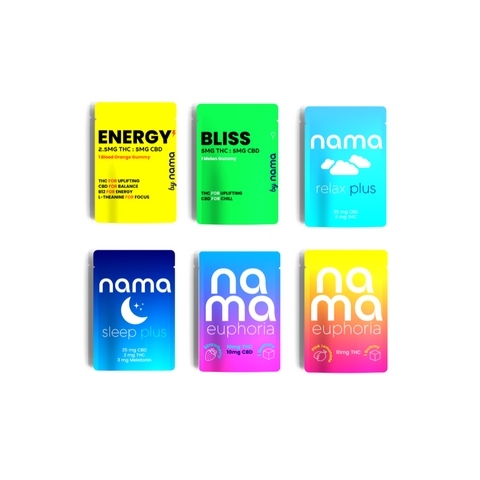
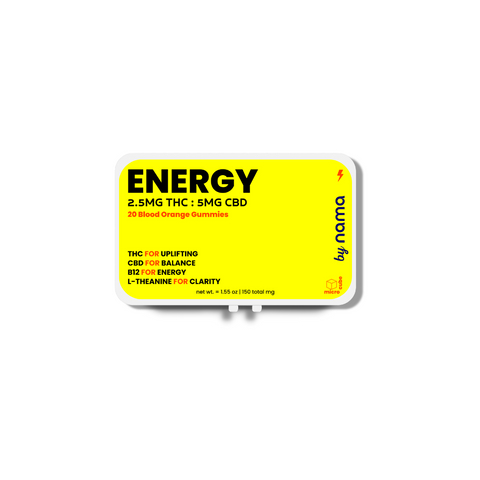
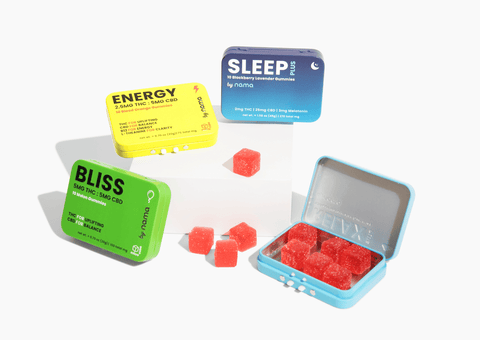
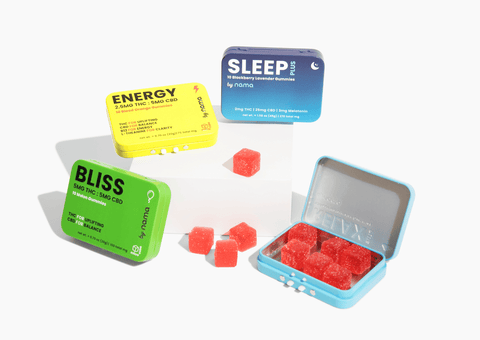
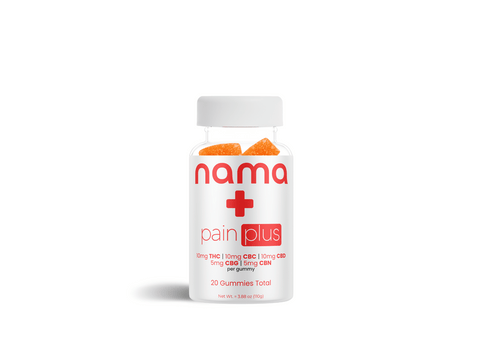
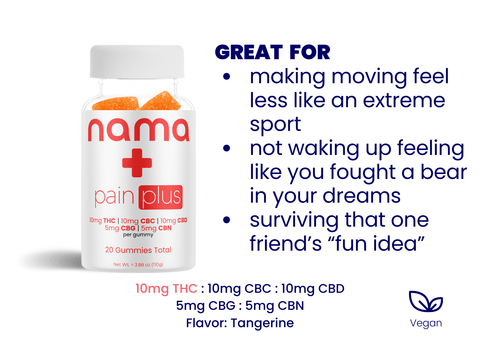
Designate specific times for cannabis use rather than consuming throughout the day. Our Sleep Plus gummies encourage healthy nighttime routines, Pain Plus gummies alleviate pain, and Energy gummies provide daytime support without promoting all-day use.
Track your consumption
Log when and how much you use. Our products' precise dosing makes tracking easy. If you notice amounts increasing, reassess your approach with support from recovery professionals.
Focus on CBD
Use CBD-dominant products for anxiety and sleep support without psychoactive effects. CBD-only products don't trigger the same reward pathways as THC, so they’re safer for some people in recovery.
Use social support
Share with trusted friends or recovery partners when you use our products. Accountability prevents secret use patterns that characterize active addiction. Openness about your California sobriety maintains recovery integrity.
Order from nama for lab-tested products with consistent potency. Knowing exactly what you're consuming supports the mindful use the California sober lifestyle requires.
California sober FAQ
The recovery community is divided on whether California sober constitutes "real" sobriety. Traditional 12-step programs say no. They define sobriety as complete abstinence. Harm reduction advocates argue that eliminating alcohol and hard drugs represents real recovery progress. Ultimately, what matters is whether your approach supports your health and life goals. Some people need complete abstinence; others thrive with California sober.
Most AA meetings require complete abstinence and consider cannabis use a relapse. Some meetings are more accepting, particularly in cannabis-legal states. Seek California sober-friendly support groups or online communities where your choices are respected. SMART Recovery and some harm reduction programs welcome California sober participants.
California sober might help some recovering opioid addicts, but it requires extreme caution. Cannabis might ease withdrawal symptoms and the chronic pain that often leads to opioid use. But any substance use could trigger cravings or relapse.
Many recovering opioid addicts do better with medication-assisted treatment using buprenorphine or methadone. Work closely with addiction medicine specialists who understand both opioid recovery and cannabis therapeutics.
Warning signs include:
- Excessive cannabis consumption
- Using cannabis to avoid emotions
- Neglecting recovery practices
- Isolation from support systems
- Negative life consequences from cannabis use, like loss of a job or relationships.
If you notice these patterns, reassess your approach. California sober only works if it genuinely supports your recovery and life improvement.
Some California sober people include psychedelics, particularly for therapeutic purposes.
Psilocybin and MDMA show promise for addiction treatment, PTSD, and depression in clinical settings. However, psychedelics carry unique risks for people in recovery. They're powerful substances that can trigger challenging experiences or resurrect trauma.
If you are considering psychedelics, work with experienced guides or therapists, not recreational settings. Microdosing psychedelics follows similar principles to cannabis: minimal doses for therapeutic benefit without intoxication.
Top Sellers
New? Start with our Ultimate Sampler!
THC: 10 mg | CBC: 10 mg | CBD: 10 mg | CBG: 5 mg | CBN 5mg
Resources
Logan, D. E., & Marlatt, G. A. (2010). Harm reduction therapy: a practice-friendly review of research. Journal of clinical psychology, 66(2), 201–214. https://doi.org/10.1002/jclp.20669
Metrik, J., Aston, E. R., Gunn, R. L., Swift, R., MacKillop, J., & Kahler, C. W. (2025). Acute effects of cannabis on alcohol craving and consumption: a randomized controlled crossover trial. American Journal of Psychiatry. https://doi.org/10.1176/appi.ajp.20250115
Further reading
Are Buzz Drops better than alcohol?
Where to buy soberish alternatives to alcohol?
Does the soberish lifestyle change alcohol tolerance?
Best soberish alternatives to alcohol
nama CBD FDA & legal disclaimer
Our cannabis products are not intended to diagnose, treat, cure, or prevent any disease. They are not a replacement for prescription medications and have not been evaluated by the Food and Drug Administration (FDA).
The information provided on this website does not and is not intended to constitute legal advice or any statements of the status of any laws. Any information, content, and materials available on this site are for general informational purposes only and are not intended to be relied upon for any purpose.
Readers of this website should contact their attorney to obtain advice concerning any particular legal matter, including decisions on what products are, or are not, legal to sell, possess, or consume. No reader, user, or browser of this site should act or refrain from acting based on information on this site without first seeking legal advice from their counsel in the relevant jurisdiction.
Only your attorney can provide assurances that the information contained herein—and your interpretation of it—is applicable or accurate for your particular situation. Use of, and access to, this website or any of the links or resources contained within the site do not create an attorney-client relationship between the reader, user, or browser, and website authors, contributors, contributing law firms, or committee members and their respective employers.
About
Learn
Join us on this journey
© Copyright 2025 nama Products LLC. All Rights Reserved.
†These statements have not been evaluated by the Food and Drug Administration. These products are not intended to diagnose, treat, cure or prevent any disease. All information presented here is not meant as a substitute for or alternative to information from health care practitioners. Please consult your health care professional about potential interactions or other possible complications before using any product.
††The information provided on this website does not, and is not intended to, constitute legal advice or any statements of the status of any laws. Any information, content, and materials available on this site are for general entertainment purposes only, and are not intended to be relied upon for any purpose.
By clicking ‘Yes,’ you agree to our
Terms & Conditions and Privacy Policy
123 John Doe Street
Your Town, YT 12345
Store Hours
Sun: Closed
Mon-Fri: 9:00 - 17:00
Sat: 10:00 - 13:00
What to expect at pickup
Closed
Closing at 5pm
Closing at 5pm
Closing at 5pm
Closing at 5pm
Closing at 5pm
Closing at 1pm

Comments (0)
There are no comments for this article. Be the first one to leave a message!