Microdosing cannabis for muscle recovery

Feb 25, 2026The nama Team

Intense exercise tears your muscle fibers apart, microtears trigger inflammation, your body repairs the damage, and you come back stronger. But the recovery phase can be brutal. 

Delayed onset muscle soreness (DOMS) sets in 24–72 hours after a hard session, and the inflammation that drives repair can leave you stiff, sore, and sidelined. 

Cannabinoids, like THC and CBD, interact with your body's endocannabinoid system to reduce inflammatory cytokines and manage pain signals, without the side effects of using ibuprofen every day.

That post-leg-day waddle doesn't have to last three days. Microdosed THC and CBD target soreness and muscle recovery at the source.

In a survey of more than 100 cannabis-using athletes and weightlifters, 93% of respondents said CBD helped with exercise recovery, while 87% felt THC provided recovery benefits too.

You don't need to smoke anything or guess at doses to tap into these benefits. nama's microdosed THC products and cannabis drink mixes deliver precise cannabinoid doses that support recovery without impairing your next training session.

Buzz Drops™ [THC Drink Drops]
On Sale from $27.95
Buzz Drops™ [THC Drink Drops]

2.5mg THC | 2.5mg CBD (per dropper full)

Save up to $41.05 THC
Buzz Packs™ [THC and CBD Powder Drink Mix]
On Sale from $29.95
Buzz Packs™ [THC and CBD Powder Drink Mix]

5mg THC | 5mg CBD (per pack)

Save up to $50.00 THC

Does cannabis reduce muscle soreness after a workout?

After a grueling workout, your body floods damaged muscle tissue with pro-inflammatory cytokines. These chemical messengers recruit immune cells to the injury site, which causes the stiffness and tenderness you recognize as DOMS. The process peaks around 24–48 hours post-exercise and can linger for up to a week.

THC and CBD reduce soreness by binding to CB1 and CB2 receptors in your nervous system, which are responsible for pain and inflammation signaling. When cannabinoids attach to these receptors, they dampen pain signaling and modulate your body's inflammatory response. Think of it as turning the volume down on pain without muting the signals. You still feel your body recovering, but the discomfort is more manageable.

A 2021 study found that participants who consumed CBD before an intensive resistance exercise session maintained their one-repetition maximum strength at 72 hours post-workout, while the placebo group saw a decline. That's a meaningful finding for anyone who trains multiple days per week and can't afford to lose strength between sessions.

Unlike pharmaceutical painkillers, THC microdoses keep you functional, clear-headed, and less sore. A dose of 2.5–5 mg of THC paired with CBD gives you analgesic benefits without the foggy, couch-locked feeling that higher doses produce.

Can cannabinoids fight exercise-induced inflammation?

Inflammation has a bad reputation, but it's a necessary part of repair. But constant exercise can cause overreactive inflammation that becomes chronic. Excessive inflammation delays healing, contributes to joint degradation, and can turn acute post-workout soreness into a lingering issue.

The scientific journal Cannabis and Cannabinoid Research reports that CBD, the cannabinoid CBG, and a combination of CBD/THC don't just suppress pro-inflammatory cytokines, like interleukin-1β (IL-1β) and interleukin-6 (IL-6). They also boost production of anti-inflammatory cytokines, interleukin-4 (IL-4) and interleukin-10 (IL-10), which actively slam the brakes on inflammation. This dual action is what separates cannabinoids from other anti-inflammatory drugs that only block one side of the equation.

Cannabinoid intervention against inflammation can shorten recovery windows and reduce discomfort. A multi-cannabinoid approach targets inflammation through several pathways at once. That's the logic behind formulas that stack cannabinoids.

Cannabis also contains natural terpenes that activate the body's cannabinoid receptors and contribute their own anti-inflammatory activity. These compounds work alongside cannabinoids in what researchers call the entourage effect, where the whole plant's compounds enhance each other's effects.

Is cannabis safer than NSAIDs for post-workout pain?

Ibuprofen and other nonsteroidal anti-inflammatory drugs (NSAIDs) are the default recovery tool for many athletes. Pop a few after a hard workout, bring the inflammation down, and move on. But this approach has a cost.

Long-term NSAID use can cause stomach ulcers, gastrointestinal bleeding, and kidney damage. These risks spike when you combine NSAIDs with dehydration (a common state after intense exercise). Even more concerning for athletes, research suggests NSAIDs may interfere with muscle adaptation. A study review highlighted that NSAIDs have been reported to attenuate exercise-induced skeletal muscle adaptation, meaning the drug you take to recover faster might be hurting your gains.

Cannabinoids reduce pain through CB1 and CB2 receptor activation rather than COX enzyme inhibition, so they don't carry the same gastrointestinal and renal risks. And because microdosed edibles deliver precise amounts of THC and CBD, you can calibrate your recovery dose without overshooting into impairment.

For acute, short-term use, NSAIDs still have a place. But for athletes who train hard multiple days a week and need a repeatable recovery tool, cannabinoids are a compelling alternative with fewer long-term trade-offs.

How does the endocannabinoid system affect athletic recovery?

Your body already produces its own cannabinoids. The endocannabinoid system (ECS) runs a network of receptors, enzymes, and endogenous cannabinoids (like anandamide and 2-AG) that regulate pain perception, inflammation, mood, sleep, and appetite.

Exercise itself activates the ECS. That euphoric, calm feeling after a long run is partially driven by elevated anandamide levels, not just endorphins. Your body upregulates endocannabinoid production during and after exercise as a natural recovery mechanism.

Plant-derived cannabinoids from hemp supplement this natural system. THC binds to CB1 receptors (concentrated in the brain and central nervous system) and CB2 receptors (concentrated in immune cells and peripheral tissues). CBD indirectly inhibits the enzymes that break down your body's own endocannabinoids, which lets them circulate longer and do more work. When you microdose cannabis, you're giving your ECS a controlled assist rather than overwhelming it.

Product QUIZ

Need help deciding what product is best for you? Take our quiz, just three questions until your perfect match!

What is the right microdose of cannabis for recovery?

Microdosing cannabis means taking enough to activate therapeutic pathways without producing a strong psychoactive high. For recovery purposes, that range is typically 1–5 mg of THC, often paired with CBD for an enhanced cannabinoid effect.

Start with the low end (1–2.5 mg of THC) and adjust from there. The dose you need depends on your body weight, metabolism, prior cannabis experience, and how intense your training was. A light recovery day after moderate exercise might need less than a post-competition day after maximal effort.

Edibles and drinks are the best delivery methods for recovery microdosing because every serving contains an exact, lab-tested dose. Gummies take 45–90 minutes to kick in and last 4–8 hours, which makes them a good choice for overnight recovery. Liquid drops, like Buzz Drops, hit faster (effects start in 10–20 minutes), so some people prefer them for immediate post-workout relief.

Your body responds best to repeatable inputs, and precise microdosing lets you dial in your recovery protocol the same way you'd dial in your protein intake or sleep schedule.

Can you use cannabis before and after a workout?

Pre-workout and post-workout cannabis use serve different purposes, and the dose should match the situation.

  • Before a workout: A microdose of 1–2.5 mg THC may help with motivation and body awareness. Research from the University of Colorado found that cannabis users reported greater enjoyment during workouts, though no improvement in speed or power. If you train for focus and endurance (long runs, cycling, yoga, mobility work), a pre-workout microdose can make the mental challenge easier. For heavy lifting or high-coordination movements, skip the pre-workout dose and save it for recovery.
  • After a workout: Taking a microdosed gummy or adding a dropper of Buzz Drops to your post-workout smoothie within an hour of finishing targets inflammation while it's still acute. The faster you address that initial inflammatory spike, the shorter your overall recovery window.

Best nama products for muscle recovery

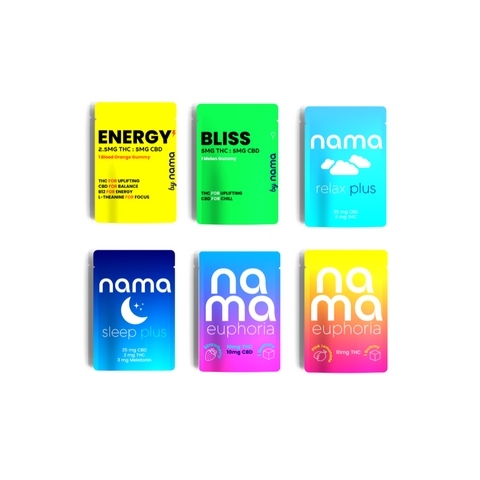
Our lineup includes several products that match the cannabinoid science behind athletic recovery. Each delivers a precise, lab-tested dose so you can build a repeatable recovery protocol.

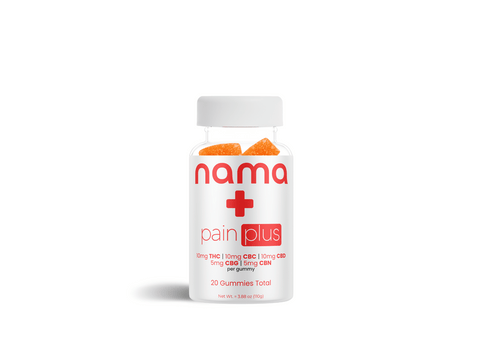
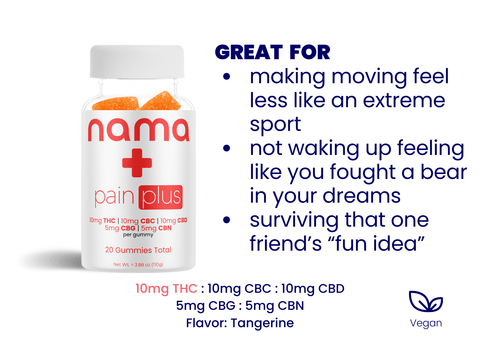
  • Pain Plus gummies contain five cannabinoids: 10 mg THC, 10 mg CBC, 10 mg CBD, 5 mg CBG, and 5 mg CBN. This multi-cannabinoid formula maps directly to the research showing that combinations of CBD, CBG, and THC suppress pro-inflammatory cytokines and boost anti-inflammatory ones. For athletes dealing with serious post-workout soreness or training through nagging discomfort, Pain Plus gummies deliver the most comprehensive cannabinoid coverage in nama's lineup. 
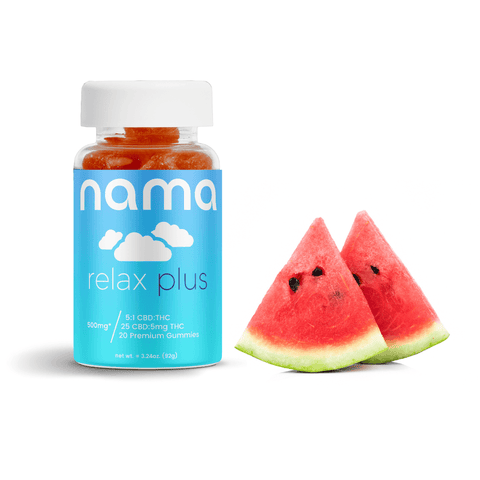
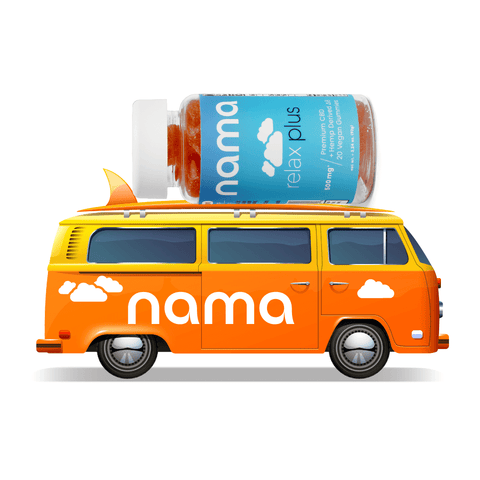
  • Relax Plus gummies offer a milder approach: 5 mg THC and 25 mg CBD per gummy. The higher CBD-to-THC ratio makes these a strong option for lighter recovery days or athletes who want less THC in their protocol. The 25 mg CBD dose provides substantial anti-inflammatory support on its own.
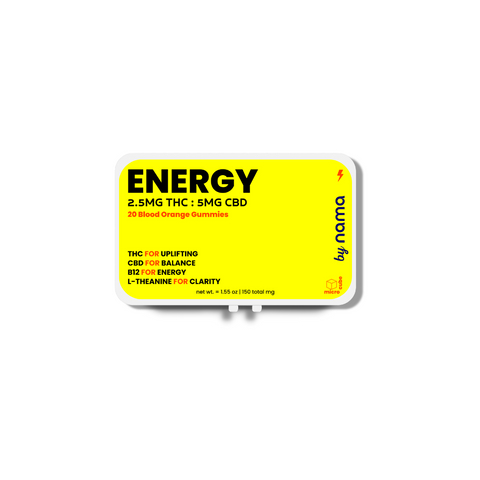
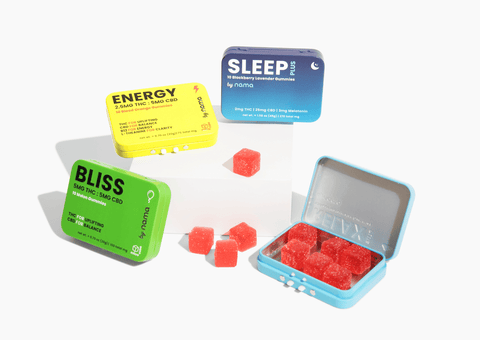
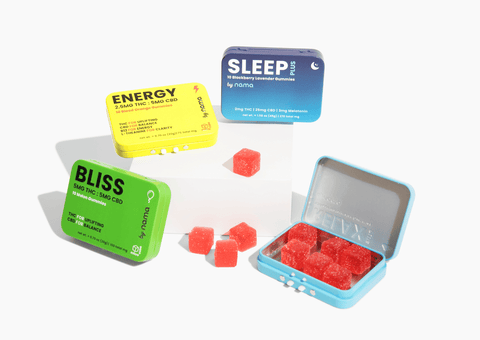
  • Energy gummies combine 2.5 mg THC and 5 mg CBD with 1,000 mcg of B12 and 50 mg of L-theanine. These work well for active recovery days when you want a low-dose cannabinoid assist without sedation (the B12 and L-theanine support mental clarity and sustained energy).
  • Buzz Drops give you 2.5 mg THC and 2.5 mg CBD per dropper in a flavorless liquid. Add them to a protein shake or a post-workout smoothie. Effects start in 10–20 minutes, faster than any gummy, so Buzz Drops are the best option for immediate post-workout recovery when you want a quick onset.

All nama products are made from American-grown hemp, vegan, gluten-free, and third-party tested for purity and potency.

Cannabis for muscle recovery FAQ

Microdosed cannabis (2.5–5 mg THC) clears your system's active effects within 4–8 hours. If you take a gummy in the evening for overnight recovery, you'll wake up clear-headed and ready to train. Higher doses may cause residual grogginess, which is why you should stick with small, precise amounts that provide recovery benefits without bleeding into the next day.

Both cannabinoids contribute to recovery through different mechanisms. CBD reduces inflammation and doesn't produce psychoactive effects, so it’s a strong daytime option. THC provides stronger pain relief, helps induce sleep, and enhances CBD's effects through the entourage effect. Products that combine both target recovery from multiple angles.

At microdoses, cannabis doesn't impair coordination, reaction time, or strength. A University of Colorado study found that runners who used cannabis before workouts saw no improvement in speed or power, but they also experienced no performance decline. The key variable is the dose; microdosing keeps you below the threshold where psychoactive effects interfere with training.

Microdosed edibles and drinks offer several advantages over smoking for recovery. Edibles deliver a precise, repeatable dose every time, while smoking introduces variable amounts of cannabinoids per hit. Edibles also don’t carry the respiratory risks of inhaling smoke or vapor, a relevant concern for athletes who depend on lung capacity. And because edibles produce longer-lasting effects (4–8 hours vs. 1–3 hours for smoking), they cover more of your recovery window, including the critical deep sleep phase.

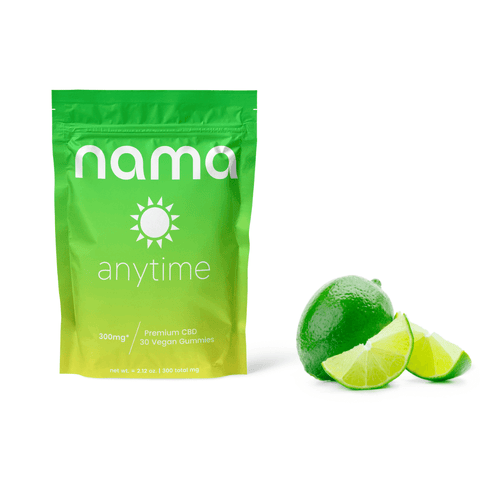
THC-containing products can trigger a positive result on standard drug tests, even at microdose levels. If you're subject to workplace or athletic drug testing, consider CBD products that contain zero THC. nama's Anytime CBD gummies deliver 10 mg of broad-spectrum CBD with no THC, providing anti-inflammatory support without the drug test risk.

Top Sellers

New? Start with our Ultimate Sampler!
Buzz Packs™ [THC and CBD Powder Drink Mix]
On Sale from $29.95
Buzz Packs™ [THC and CBD Powder Drink Mix]

5mg THC | 5mg CBD (per pack)

Save up to $50.00 THC
Buzz Drops™ [THC Drink Drops]
On Sale from $27.95
Buzz Drops™ [THC Drink Drops]

2.5mg THC | 2.5mg CBD (per dropper full)

Save up to $41.05 THC
Pain Plus Gummies | THC, CBD, CBG, CBC, CBN
From $49.00
Pain Plus Gummies | THC, CBD, CBG, CBC, CBN

10mg THC | 10mg CBD | 10mg CBC | 5mg CBG | 5mg CBN (per gummy)

THC
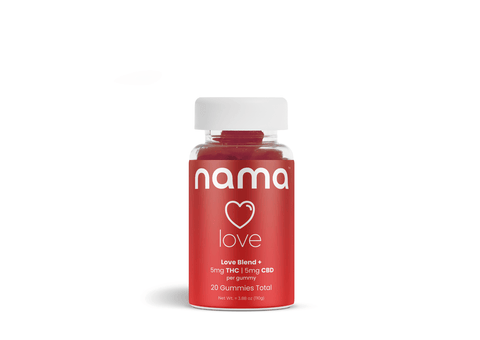
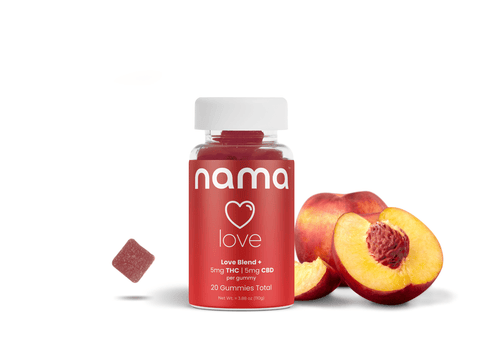
Love | Libido Boosting Gummies With CBD and THC
From $44.00
Love | Libido Boosting Gummies With CBD and THC

5mg THC | 5mg CBD (per gummy)

THC
The Ultimate nama Gummy Sampler
Save $4.05 THC

Resources

Pinzone, A. G., Erb, E. K., Humm, S. M., Kearney, S. G., & Kingsley, J. D. (2023). Cannabis use for exercise recovery in trained individuals: a survey study. Journal of cannabis research, 5(1), 32. https://doi.org/10.1186/s42238-023-00198-5 

Isenmann, E., Veit, S., Starke, L., Flenker, U., & Diel, P. (2021). Effects of Cannabidiol Supplementation on Skeletal Muscle Regeneration after Intensive Resistance Training. Nutrients, 13(9), 3028. https://doi.org/10.3390/nu13093028

Henshaw, F. R., Dewsbury, L. S., Lim, C. K., & Steiner, G. Z. (2021). The Effects of Cannabinoids on Pro- and Anti-Inflammatory Cytokines: A Systematic Review of In Vivo Studies. Cannabis and cannabinoid research, 6(3), 177–195. https://doi.org/10.1089/can.2020.0105

Roberts, B. M., Sczuroski, C. E., Caldwell, A. R., Zeppetelli, D. J., Smith, N. I., Pecorelli, V. P., Gwin, J. A., Hughes, J. M., & Staab, J. S. (2024). NSAIDs do not prevent exercise-induced performance deficits or alleviate muscle soreness: A placebo-controlled randomized, double-blinded, cross-over study. Journal of Science and Medicine in Sport, 27(5), 287–292. https://doi.org/10.1016/j.jsams.2024.02.002 

Gibson, L. P., Giordano, G. R., Bidwell, L. C., Hutchison, K. E., & Bryan, A. D. (2023). Acute effects of ad libitum use of commercially available cannabis products on the subjective experience of aerobic exercise: a crossover study. Sports Medicine, 54(4), 1051–1066. https://doi.org/10.1007/s40279-023-01980-4 

Further Reading

Microdosing cannabis for yoga

The benefits of cannabis for athletes

What are the benefits of cannabis for running?

Should you microdose THC for pain relief?

What terpenes are good for inflammation?

nama CBD FDA & legal disclaimer

Our products are not intended to diagnose, treat, cure, or prevent any disease. They are not a replacement for prescription medications and have not been evaluated by the Food and Drug Administration (FDA).

The information provided on this website does not and is not intended to constitute legal advice or any statements of the status of any laws. Any information, content, and materials available on this site are for general informational purposes only and are not intended to be relied upon for any purpose.

Readers of this website should contact their attorney to obtain advice concerning any particular legal matter, including decisions on what products are, or are not, legal to sell, possess, or consume. No reader, user, or browser of this site should act or refrain from acting based on information on this site without first seeking legal advice from their own counsel in the relevant jurisdiction.

Only your attorney can provide assurances that the information contained herein—and your interpretation of it—is applicable or accurate for your particular situation. Use of, and access to, this website or any of the links or resources contained within the site do not create an attorney-client relationship between the reader, user, or browser, and website authors, contributors, contributing law firms, or committee members and their respective employers.

More articles

Comments (0)

There are no comments for this article. Be the first one to leave a message!

Leave a comment

Please note: comments must be approved before they are published